
Certain composers, while innovative and influential, have failed to achieve widespread fame and recognition in mainstream media and culture. Figures like Carl Nielsen, Ernest Chausson, Muzio Clementi, and others made important contributions to classical music but remain lesser known to general audiences today.
The main reason is that their music was often overshadowed by more prominent contemporaries. For example, Nielsen’s works were not as celebrated during his time as those of Sibelius, while Chausson’s were eclipsed by Debussy and Ravel. Also, these composers did not achieve very much popularity outside their home countries, limiting their fame. Clementi, though influential, was primarily known in England while Nielsen was celebrated in Denmark. And well, their music was sometimes seen as transitional or less strikingly original. While helping develop new styles, their works were not always bold or memorable enough to gain lasting widespread attention.
Moreover, mainstream media has tended to focus on a canon of well-established composers like Mozart, Beethoven, and Tchaikovsky. Breaking into this canon is difficult, especially for those from outside Germanic traditions. Finally, factors like a lack of promotion, unmemorable names, or disinterest in the chamber and solo piano works (as with Clementi and Chausson) have disadvantaged some composers. Though deserving of more acclaim, these composers failed to achieve the necessary combination of originality, composition mastery, promotion, and luck that confers mainstream fame. Their music remains influential but underappreciated—a reminder of the many injustices within the processes of artistic recognition and canonization.
10. Ernest Chausson (1855-1899)

French composer Ernest Chausson remains a somewhat obscure figure in the history of classical music, often overshadowed by his contemporaries Debussy and Ravel. Chausson’s relatively small output, which includes orchestral, chamber, and vocal works, is marked by its poetic sensibility, refined craftsmanship, and introspective nature. Influenced by the music of Wagner and Franck, Chausson’s compositions often feature chromatic harmonies and lush, colorful orchestration.
Notable works include the evocative Poème for violin and orchestra, the Symphony in B-flat major, and the song cycle Poème de l’amour et de la mer. By exploring Chausson’s music, we can develop a deeper understanding of the rich diversity of French Romanticism and the expressive power of his compositions.
9. Carl Nielsen (1865-1931)
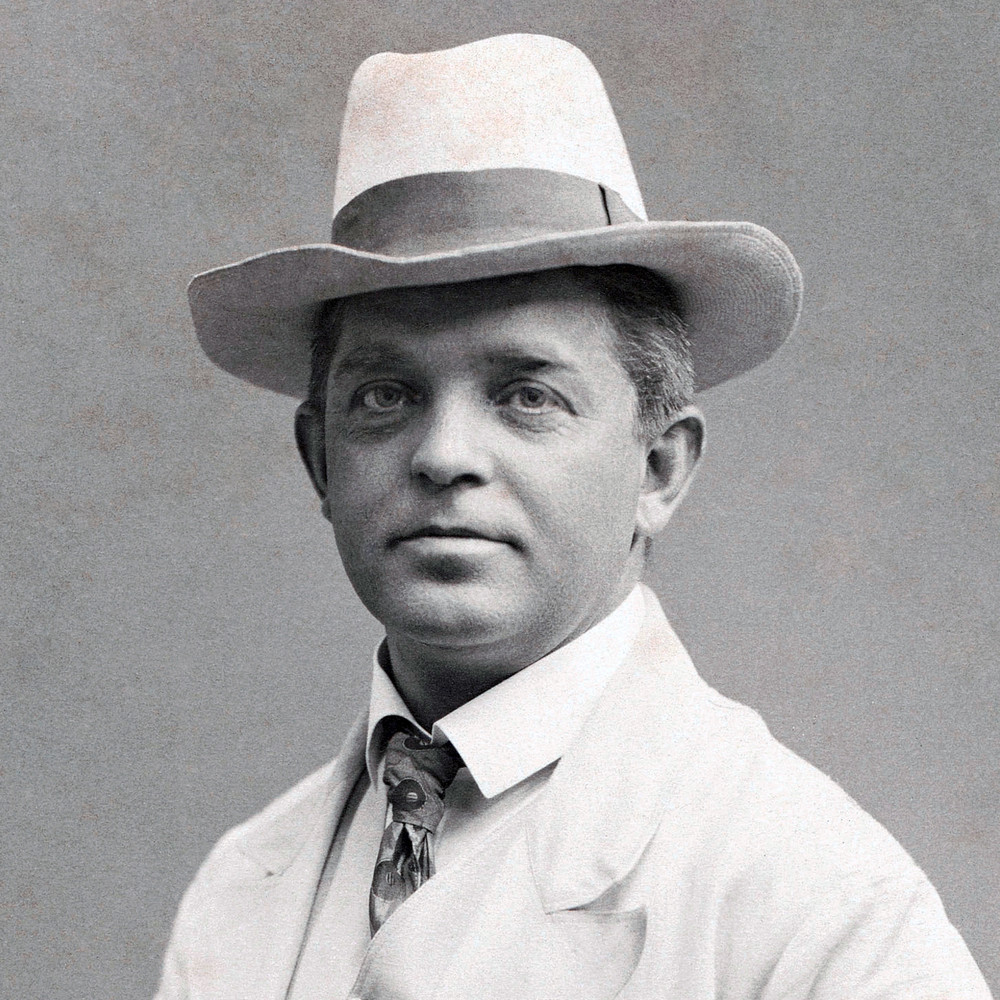
Carl Nielsen was a pioneering Danish composer of the late 19th and early 20th centuries. His compositional style spanned both the Romantic era and the more modernist period of the early 1900s. Nielsen is considered Denmark’s most important composer, having written six symphonies, concertos, chamber music, choral works, and operas. Nielsen’s music is known for its originality, energy, and a distinctly Nordic character.
Nielsen pushed the boundaries of traditional harmony and form in his works. His symphonies, in particular, are innovative, expanding the possibilities of the genre. His Fourth Symphony, for example, incorporates a wordless soprano vocalist, while his Fifth Symphony has distinctive rhythmic life and colorful orchestration. Nielsen was also deeply interested in Renaissance polyphony, often using imitative and canonic techniques in his compositions.
8. Charles-Valentin Alkan (1813-1888)

French composer and pianist Charles-Valentin Alkan remains an enigmatic figure in the annals of classical music. Despite being a virtuoso pianist and a contemporary of Chopin and Liszt, Alkan’s music has often been overlooked due to its unconventional nature and extreme technical demands. His piano compositions, which include etudes, preludes, and sonatas, are characterized by their harmonic daring, unusual forms, and striking originality.
Notable works include the monumental Concerto for Solo Piano and the Sonate de Concert for cello and piano. Alkan’s music, with its forward-looking and experimental qualities, deserves renewed attention for its role in pushing the boundaries of piano technique and Romantic expression.
7. Amy Beach (1867-1944)
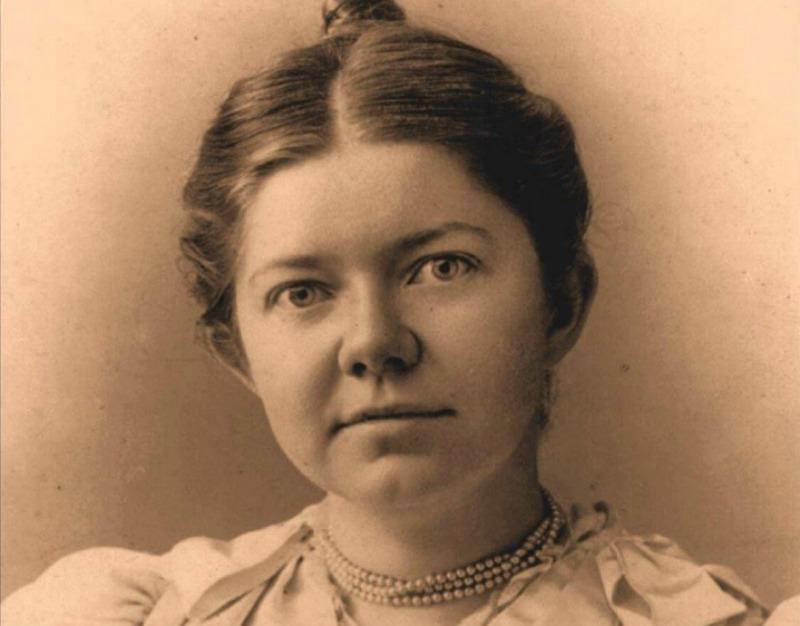
Amy Beach, an American composer, and pianist, is an important yet often overlooked figure in classical music history. As the first successful American female composer of large-scale art music, Beach paved the way for future generations of women in the field. Her music, characterized by its lush harmonies, lyricism, and Romantic sensibility, reflects the influence of composers such as Brahms and Wagner.
Notable works include the Gaelic Symphony in E minor, her Piano Concerto in C-sharp minor, and a large body of chamber music, choral works, and songs. By examining Amy Beach’s music, we get a mirror to the past, understanding the challenges faced by female composers and appreciating her innovative, expressive compositions.
6. Antonio Salieri (1750-1825)

The Italian composer Antonio Salieri has been unfairly maligned by the myth that he was a mediocre composer and Mozart’s rival. In reality, Salieri was a highly respected composer whose music was admired by both Mozart and Beethoven. His skill as a composer of opera, particularly in the “opera seria” genre, led to numerous commissions, and his works were performed throughout Europe.
Salieri’s music, exemplified by operas such as Les Danaïdes and La grotta di Trofonio, is characterized by its sophistication, dramatic power, and expert handling of the orchestra. By exploring Salieri’s operatic output, we can develop a greater appreciation for his significant contributions to the development of classical music.
5. Johann Nepomuk Hummel (1778-1837)

Austrian composer and pianist Johann Nepomuk Hummel was a significant figure during the transition from the Classical to the Romantic era. Despite being a virtuoso pianist and a highly respected composer during his lifetime, his music has often been overshadowed by the likes of Beethoven, Schubert, and Chopin. Hummel’s piano concertos, sonatas, and chamber works display a highly refined, elegant style that emphasizes melody and intricate ornamentation.
His compositions for trumpet, including the famous Trumpet Concerto in E-flat major, are notable for their technical demands and expressive range. By examining Hummel’s music, one easily gains insight into the stylistic changes that occurred during this pivotal period in music history.
4. Georg Philipp Telemann (1681-1767)

Georg Philipp Telemann, a prolific German Baroque composer, has been overshadowed by contemporaries like J.S. Bach and Handel. However, during his lifetime, Telemann was considered one of the leading German composers. He composed a vast amount of music, including over 3,000 cantatas, 1,000 church compositions, 40 operas, and numerous instrumental works.
With a penchant for experimentation, Telemann’s music encompassed a variety of styles, including French, Italian, and Polish influences. His orchestral suites and concertos showcase his skill in creating imaginative and colorful orchestrations. Telemann’s music deserves recognition for its inventive and cosmopolitan qualities, which demonstrate his versatility as a composer.
3. Luigi Boccherini (1743-1805)
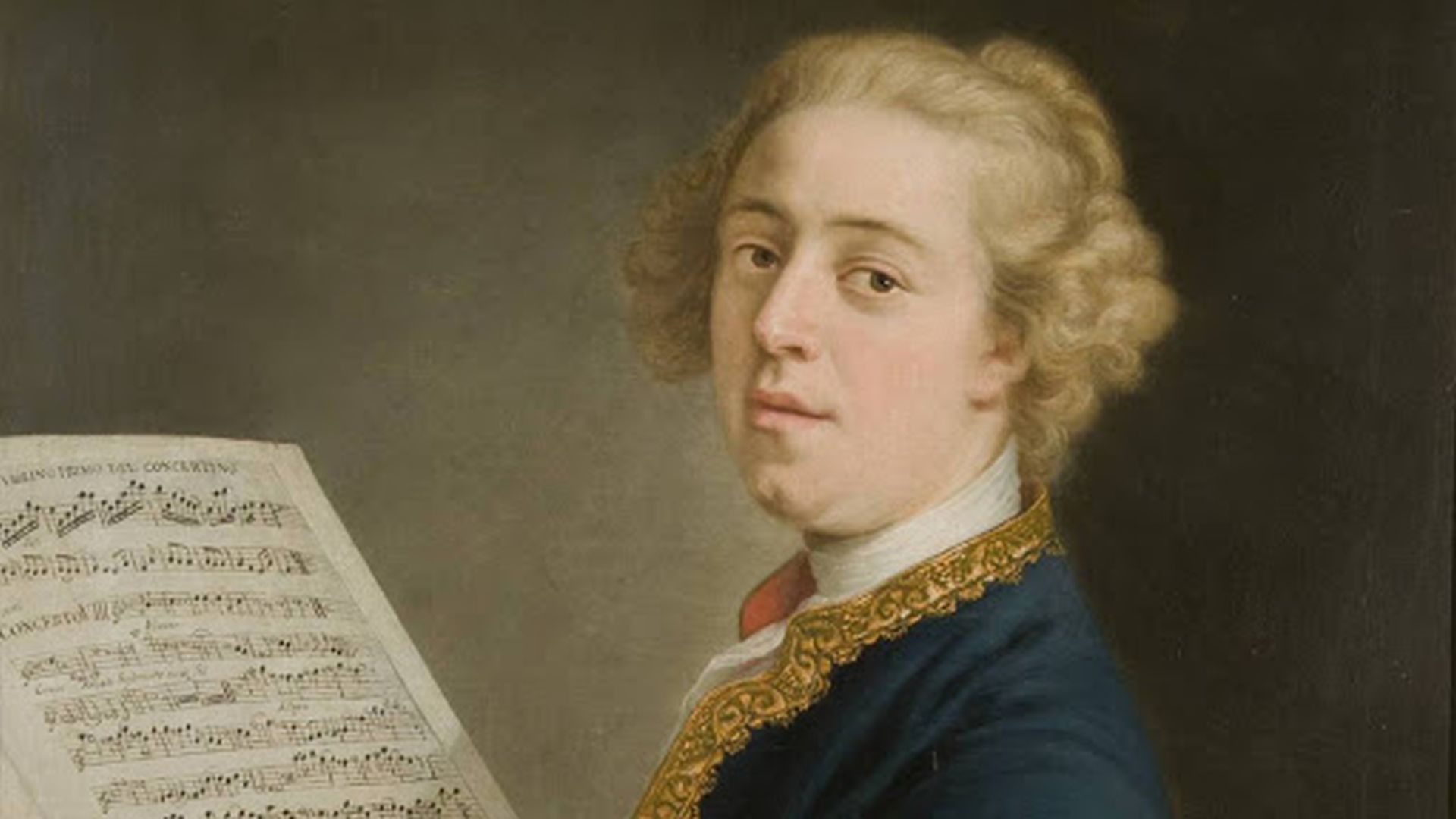
Italian composer and cellist Luigi Boccherini, best known for his Minuet from the String Quintet in E major, has largely been overlooked in the history of classical music. Boccherini composed over 100 string quartets, 100 quintets, and numerous symphonies, concertos, and sonatas. His works, characterized by their lyricism, charm, and inventive use of harmony and form, reflect the Rococo style popular during his time.
Boccherini’s music, particularly his chamber compositions, exudes a sense of intimacy and conversational interaction between the instruments. His innovative approach to writing for the cello, often featuring virtuosic solos and rich textures, laid the groundwork for later Romantic composers such as Schubert and Brahms.
2. Muzio Clementi (1752-1832)

Muzio Clementi, an Italian-born composer, pianist, and pedagogue, is often overshadowed by his contemporaries, Haydn, Mozart, and Beethoven. Despite this, Clementi’s contributions to the development of piano technique and the piano sonata have had a lasting impact. His collection of keyboard studies, Gradus ad Parnassum, remains a crucial resource for pianists.
Clementi’s piano sonatas, known for their virtuosic demands and formal innovation, served as a model for Beethoven’s early works. As a composer, he sought to elevate the status of instrumental music by infusing it with operatic qualities. Clementi’s music deserves recognition for its role in shaping the future of the piano and the Classical style.
1. C.P.E. Bach (1714-1788)

Carl Philipp Emanuel Bach, the second surviving son of Johann Sebastian Bach, is a highly underrated composer in the realm of classical music. Despite being a significant figure in the transition from the Baroque to the Classical period, his music remains overshadowed by his father’s legacy. C.P.E. Bach’s unique compositional style, characterized by its emotional expressiveness and innovative harmonic progressions, contributed to the development of the Empfindsamer Stil, or sensitive style.
His keyboard sonatas, concertos, and symphonies, which demonstrate a preference for sudden contrasts and dramatic gestures, influenced Haydn, Mozart, and Beethoven. By exploring C.P.E. Bach’s music, listeners will easily observe the foundations of the Classical era.
Blue Rhymez Entertainment ©2025
If you’ve read this article for free without being bombarded by ads and pop-up screens, please consider supporting our top favorite indie artists across the world by streaming the playlist below. It’s time to push to the front the voices that most deserve it!
 Blue Rhymez Entertainment