
The biggest consumers of modern music today are young people, specifically those in the Millennial and Generation Z age groups. This includes people born between 1980 and 2012. These generations have grown up with digital music and streaming as the norm, so they consume music in large volumes and in a very on-demand, personalized manner. Accordingly, their taste, consumption habits, and music-related purchases, account for the heftiest chunk of the coveted industry most want at least the left foot in.
1. Millennials’ Influence On The Music Industry.

Millennials, born between 1980 and 1996, are currently ages 27 to 43. This generation has lived through major shifts in the music industry, including the move from CDs to MP3s and now the rise of streaming. Millennials value access, curation, and customization of music. They want on-demand streaming that allows them to listen to any song they want, as well as playlists that are personalized to their tastes. According to Nielsen, 93% of Millennials listen to music streaming services like Spotify or Apple Music. Millennials also value authenticity and an emotional connection to artists over genre limitations. Musicians who directly engage with fans on social media tend to resonate most with this demographic. Additionally, user-generated content platforms like YouTube have allowed unsigned DIY artists to gain fame through viral hits. Overall, Millennials have accelerated the digitization of music and shifted power away from traditional gatekeepers towards independent artists and consumers.
2. Gen Z’s Influence On The Music Industry.

Generation Z, born between 1997 and 2012, is currently 11 to 26 years old. They are the first true “post-CD” generation and have grown up in an on-demand world with streaming music, video, and more. Music is an integral part of Gen Z’s life and identity. According to a study by Edison Research, Gen Z streams more music per day than any other generation. Forty-seven percent say they can’t live without music. They have less brand loyalty than previous generations and use playlists to sample various genres and styles. Gen Z fans engage with music intimately through remixes, reactions, and dance videos on TikTok, Instagram, and YouTube. This tight artist-fan feedback loop allowed teen artists —like Billie Eilish when she first started out— to co-create content with their young fanbase. Additionally, Gen Z values diversity and seeks representation in the artists they support. They help propel rising stars that speak to underrepresented groups to the top of the charts (over 80% use YouTube, Instagram, and TikTok to discover new artists).
Gen Z’s eclectic tastes force record labels to think beyond traditional genre boundaries. They also must cater music marketing to youth-dominated platforms like Snapchat. While Millennials spurred the digitization of music, Gen Z could be the generation that bends the notion of mainstream itself.
3. The Common Affinity Between The Two Generations.
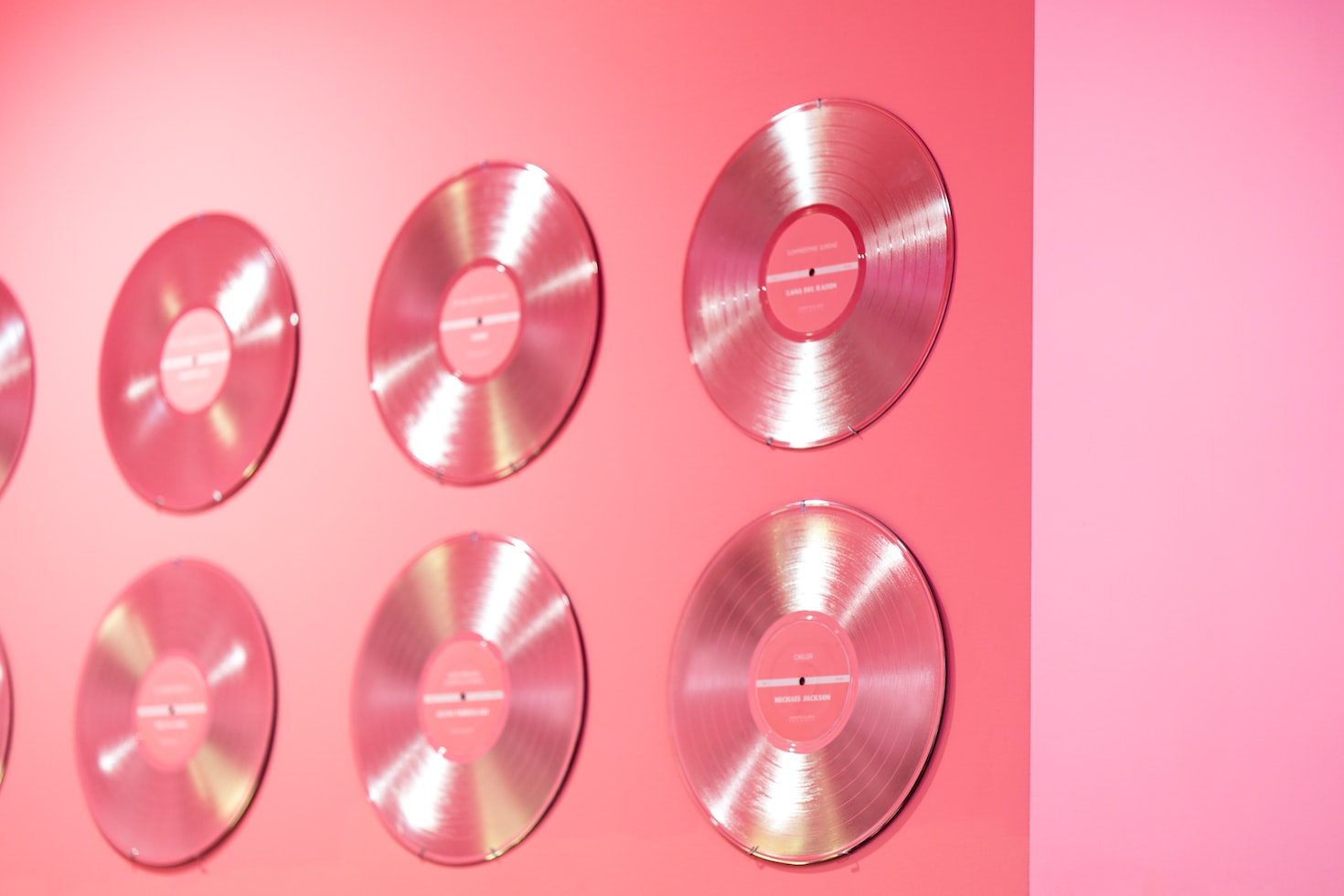
Both Millennials and Gen Z tend to value experiences over material goods. They look for ways to enhance experiences in all areas of life, including through music. They want to be able to craft playlists and mixes for every mood and moment, and they also seriously care about the quality of the records they stream. Streaming services have tapped into this perfectly by offering endless options for customized playlists, remixes, and the ability to soundtrack one’s life with a huge catalog of songs.
Millennials and Gen Z have the highest levels of music consumption today due to their digital native status, on-demand expectations, and experience-driven mindsets. They have fueled the rise of streaming and continue to shape its future through the ways they discover, share, and listen to new music each day. Modern music will likely continue to be created and distributed with these generations in mind as the key consumers and tastemakers. While younger kids and older generations still love music too, Millennials and Gen Z are driving the majority of streams and sales in the modern music industry today thus making indie artists fight for their attention left and right. What a time to be alive!
Blue Rhymez Entertainment ©2025
If you’ve read this article for free without being bombarded by ads and pop-up screens, please consider supporting our top favorite indie artists across the world by streaming the playlist below. It’s time to push to the front the voices that most deserve it!
 Blue Rhymez Entertainment