
As an independent artist, shooting a music video can be a daunting task. With limited resources and experience, it’s easy to feel overwhelmed. However, a great music video can grab the attention of fans and industry professionals alike, making it a crucial element in building your career. In this article, we’ll explore the 10 most important things to consider when shooting a music video as an independent artist.
10. A strong concept.
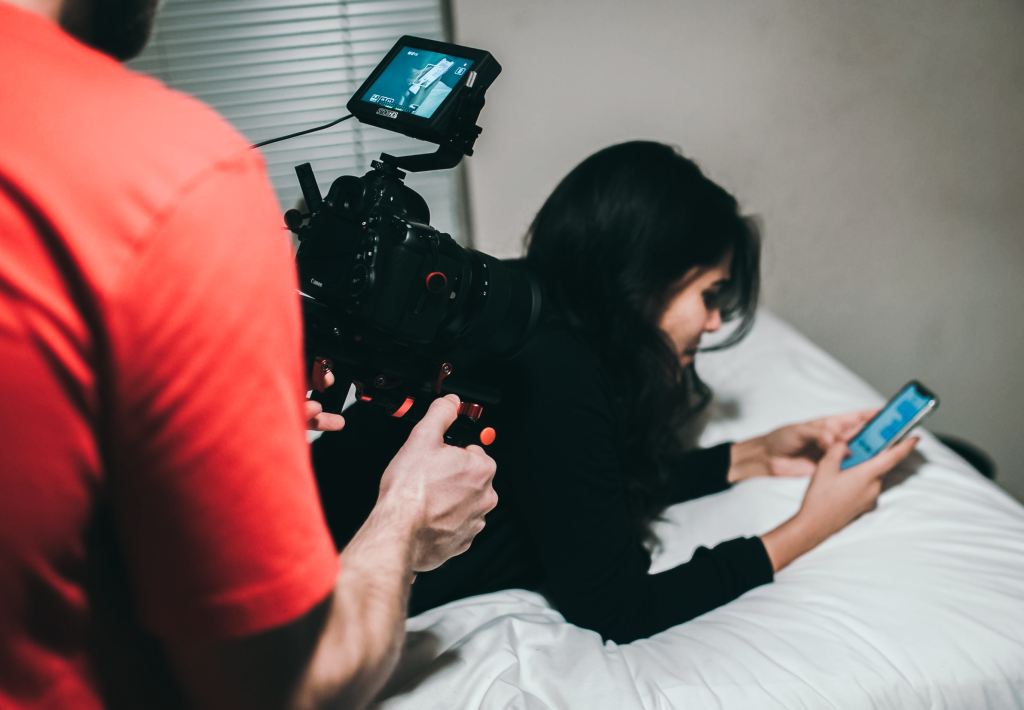
Before you begin shooting, it’s essential to have a clear vision for your music video. This involves developing a compelling concept that complements your song and showcases your artistic vision. Spend time brainstorming ideas and researching other music videos that inspire you. Having a solid concept will not only make the production process smoother but also result in a more engaging and memorable final product.
9. A realistic budget.
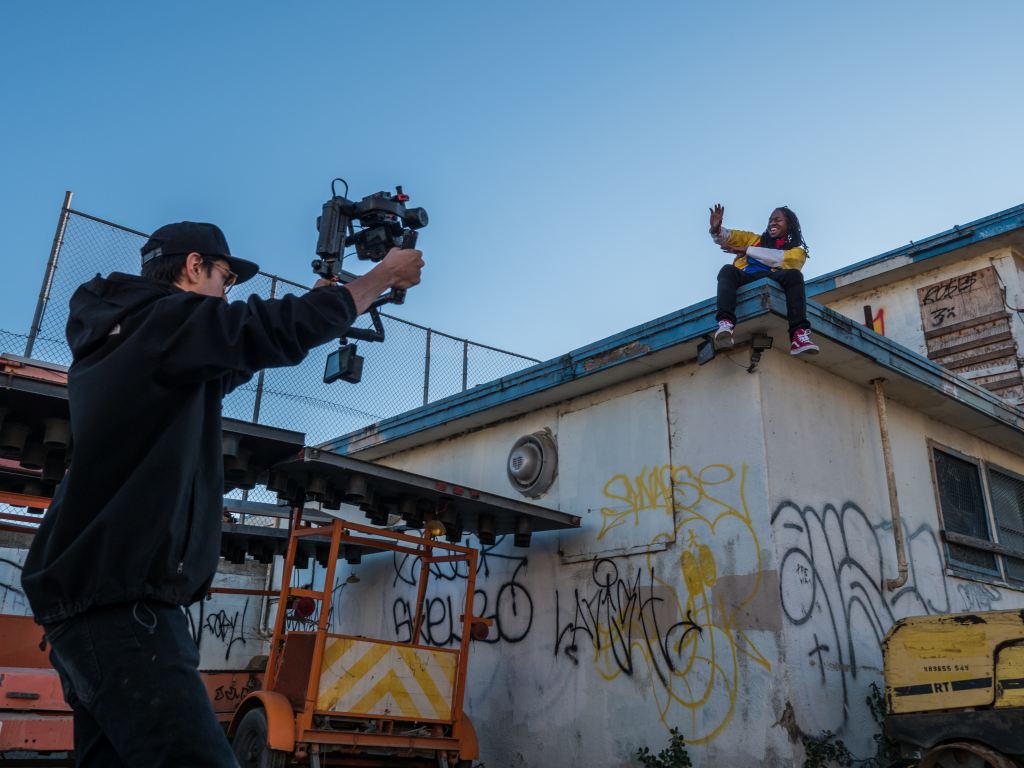
As an independent artist, you likely have a limited budget for your music video. Establishing a realistic budget from the outset will help you avoid overspending and ensure you allocate resources effectively. Take into account the costs of equipment, locations, crew, wardrobe, props, and post-production. Be prepared to get creative and find ways to maximize your production value without breaking the bank.
8. A dedicated team.
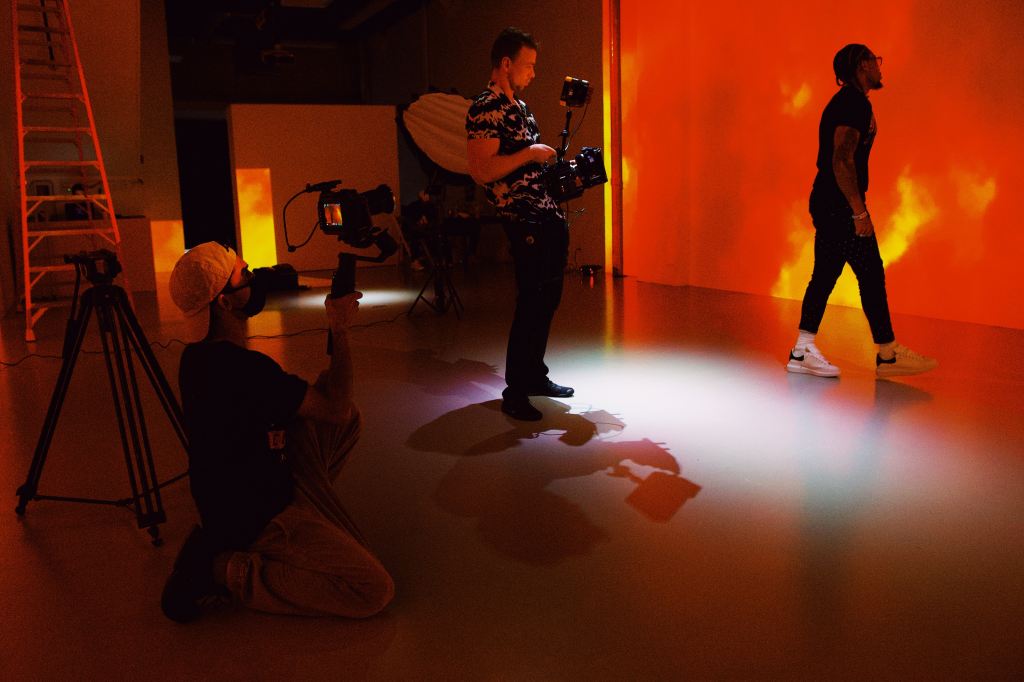
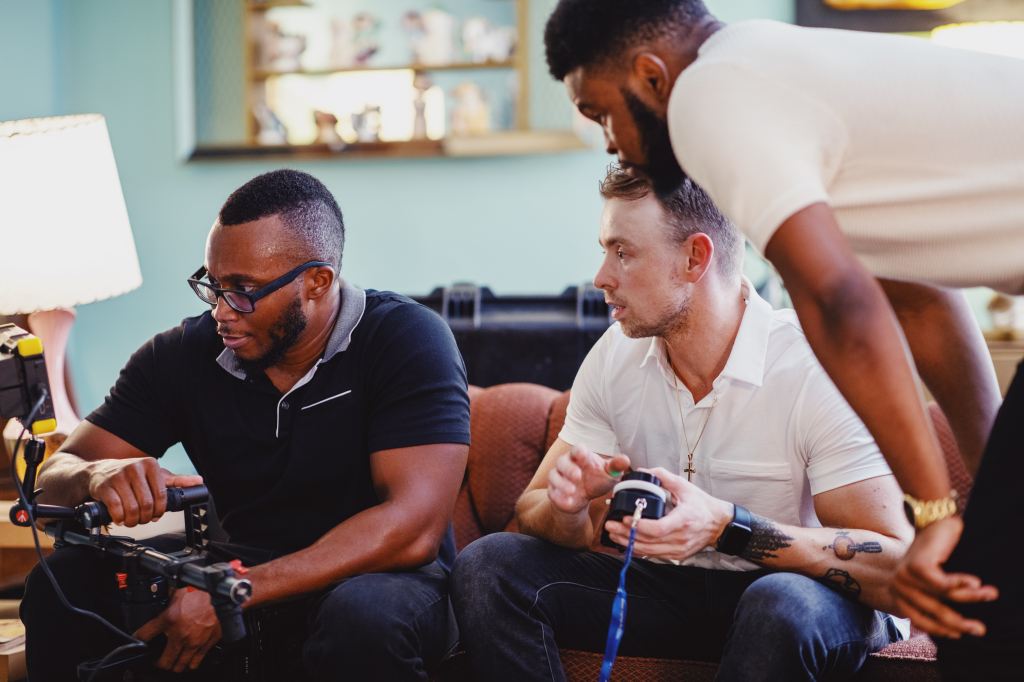
A successful music video relies on a team of talented individuals working together. Seek out professionals or passionate amateurs who share your vision and are excited to contribute their skills. This can include a director, cinematographer, editor, and wardrobe stylist, among others. Building a strong team not only ensures a smoother production process but also elevates the quality of your music video.
7. The right locations.
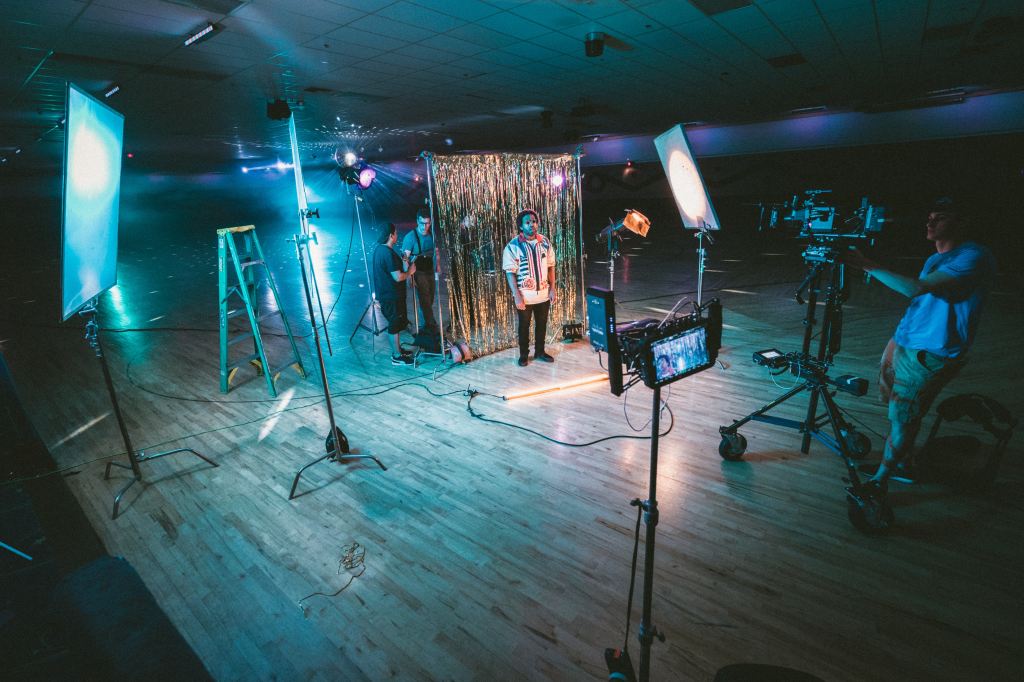
Selecting the appropriate locations for your music video is crucial in bringing your concept to life. Keep in mind that some locations may require permits or fees for filming, so be sure to factor these costs into your budget. Additionally, consider the logistics of transporting your crew and equipment to each location, and how the shooting schedule may be affected by factors such as weather and lighting conditions.
6. Lighting.
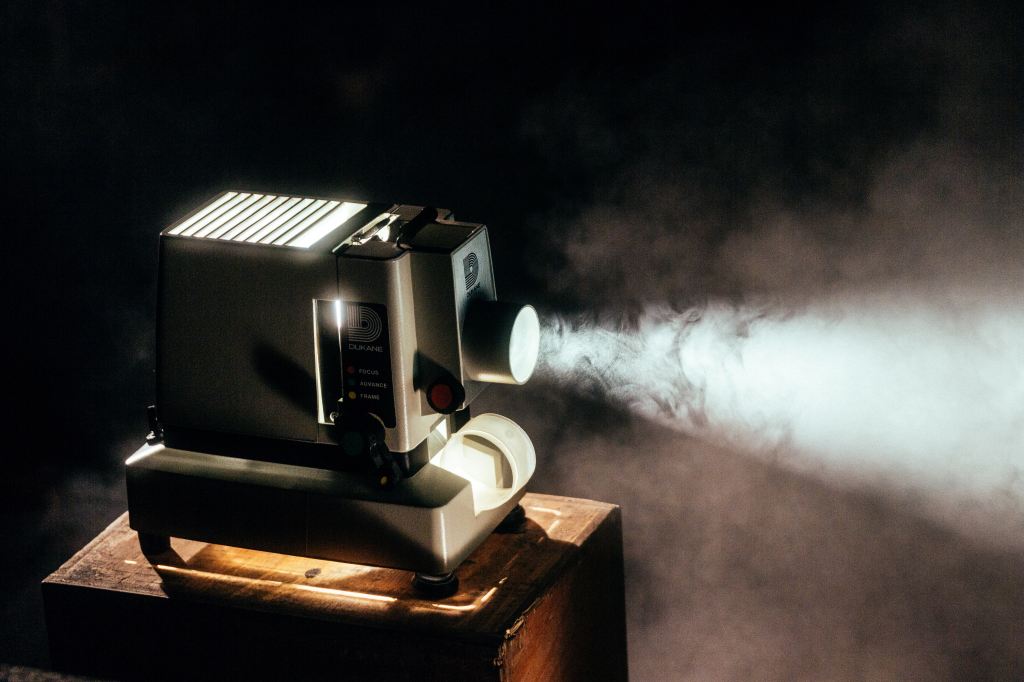
Great lighting can make all the difference in the quality of your music video. Whether you’re shooting indoors or outdoors, natural or artificial light, be intentional about the lighting setup to ensure your visuals look professional and polished. If you’re not experienced in lighting, consider hiring a skilled cinematographer or gaffer to help you achieve the desired look.
5. Quality equipment.

While it’s true that you don’t need a Hollywood-sized budget to create a visually stunning music video, investing in good-quality equipment is essential. This includes cameras, lenses, lighting, and audio gear. If purchasing equipment is out of your budget, consider renting or borrowing from friends and colleagues. Remember, great visuals can enhance your music video and help you stand out from the competition.
4. Planned shots and storyboard.
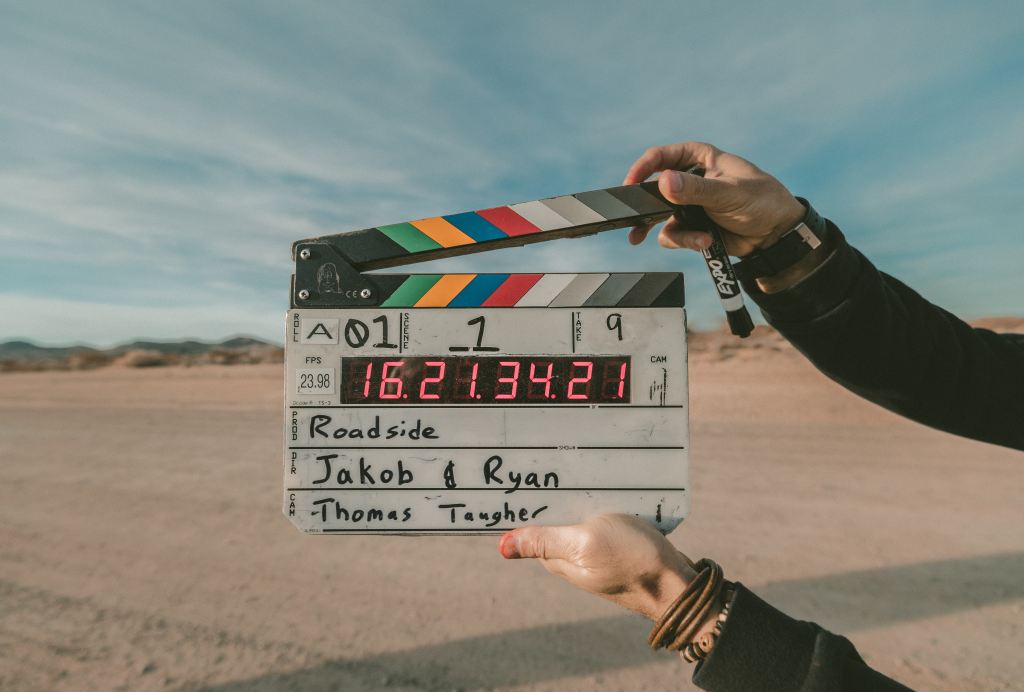
To ensure a smooth and efficient shoot, take the time to plan out each shot and develop a storyboard. A storyboard is a visual representation of your music video, mapping out the sequence of shots and helping you and your team visualize the final product. This will not only help you stay organized during the shoot but also save you time and resources by minimizing the need for reshoots.
3. Performance and authenticity.
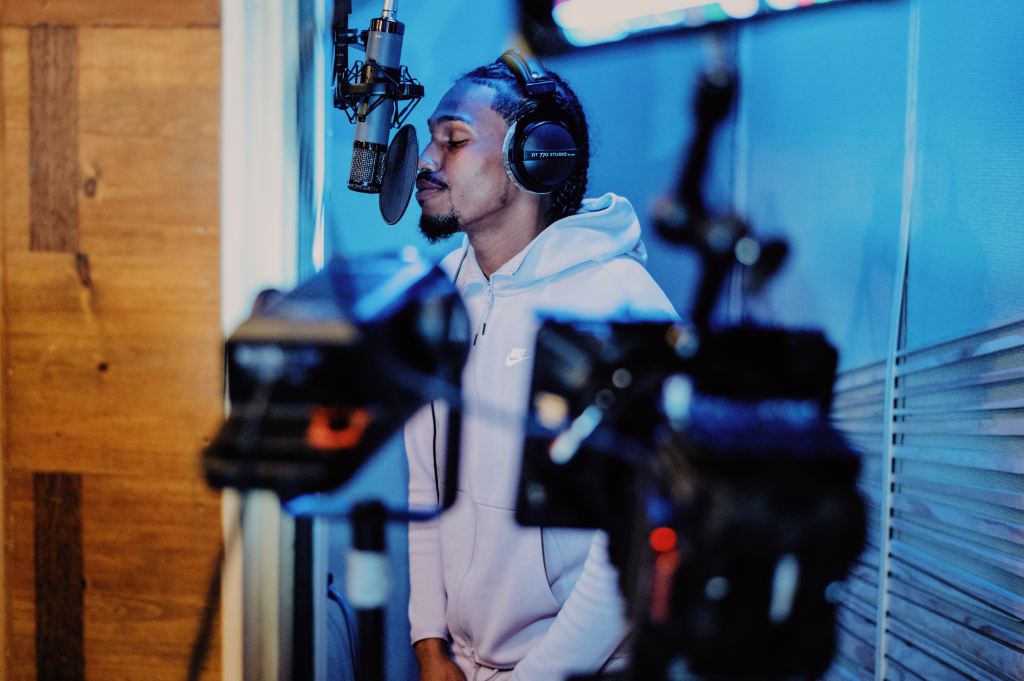
No matter how visually stunning your music video may be, it’s ultimately your performance that will captivate viewers. Spend time rehearsing and perfecting your performance to ensure it’s engaging and authentic. If your music video includes choreography or complex staging, consider working with a choreographer or creative director to help you bring your vision to life.
2. Post-production.
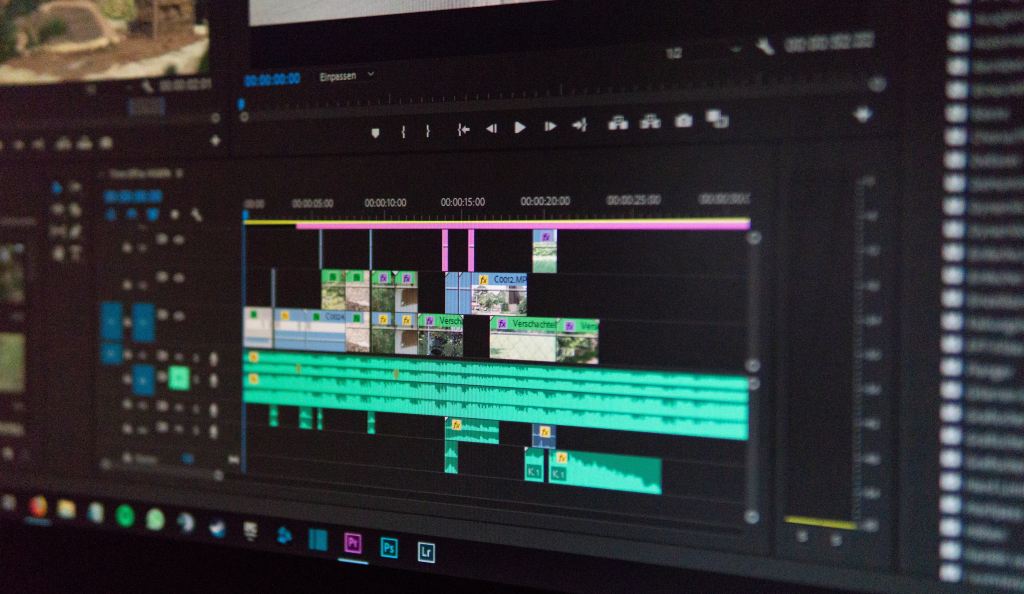
Editing is a crucial step in the music video creation process. Allocate adequate time and resources for post-production, including editing, color grading, and visual effects. This will help you refine your video and ensure it aligns with your artistic vision. If you’re not experienced in editing, consider collaborating with a skilled editor who can help you bring your concept to life.
1. Promotion and distribution.
Once your music video is complete, it’s essential to develop a strategy for promoting and distributing it. This can include sharing it on social media platforms, submitting it to music blogs and websites, and collaborating with other artists for cross-promotion. Additionally, consider entering your music video into film festivals and competitions to gain exposure and recognition.
Creating a music video as an independent artist is a challenging but rewarding endeavor. By considering these 10 essential factors, you’ll be well on your way to producing a visually stunning and engaging music video that showcases your talent and resonates with your audience. Happy shooting!
Blue Rhymez Entertainment ©2025
If you’ve read this article for free without being bombarded by ads and pop-up screens, please consider supporting our top favorite indie artists across the world by streaming the playlist below. It’s time to push to the front the voices that most deserve it!
 Blue Rhymez Entertainment