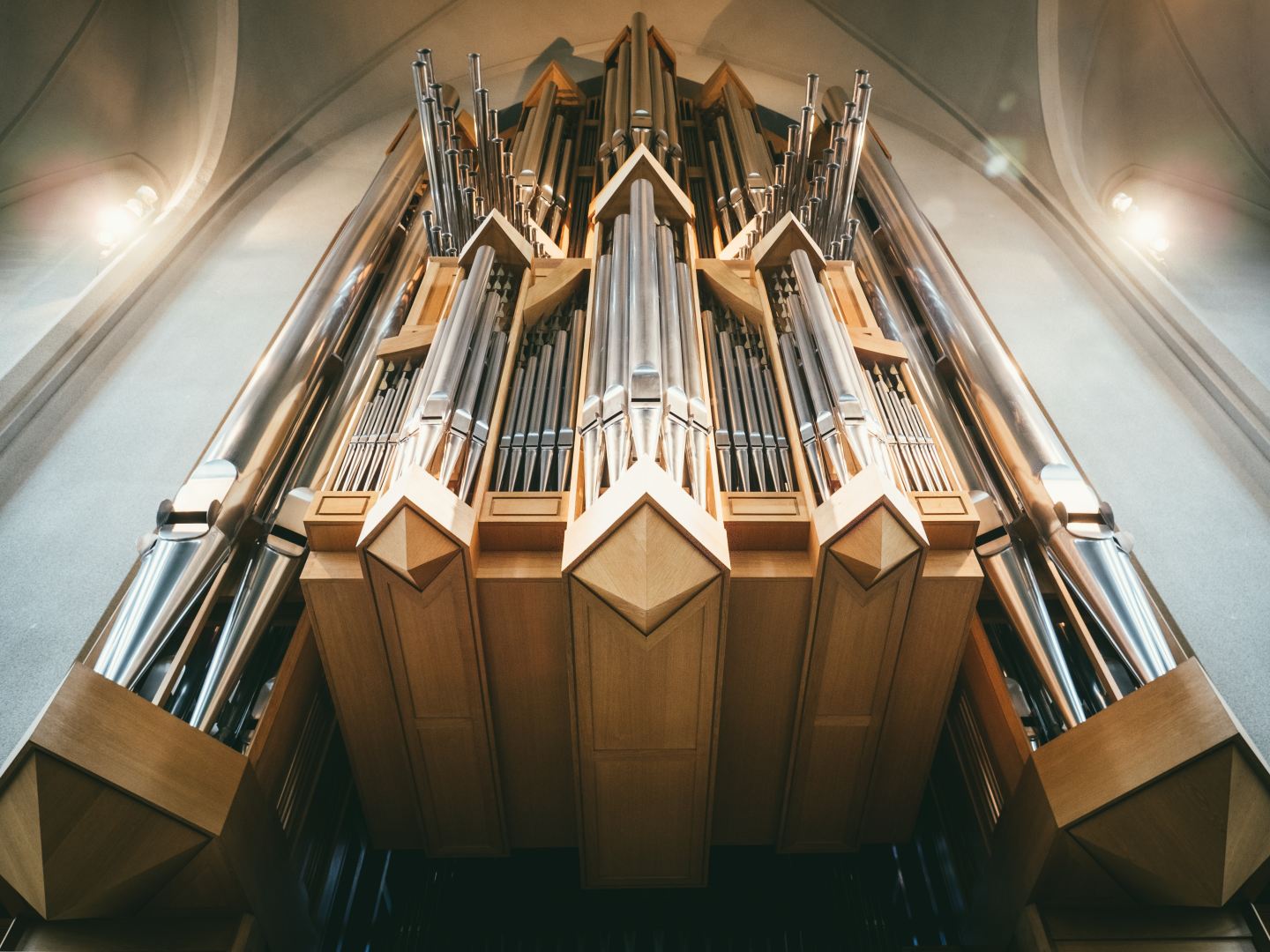
The relationship between music and religion has been long-standing, deeply intertwined, and at times both harmonious and tumultuous. Throughout history, religious institutions have embraced music as a means of worship and expression, while also seeking to control and regulate its use in spiritual contexts. As cultural and societal changes have reshaped the landscape of religious practice and the music industry, the once inseparable bond between religion and music has experienced a gradual but undeniable division. In this exploration, we will delve into the historical relationship between music and religion, examining key events and societal shifts that have contributed to their divergence.
7. Prehistoric and Ancient Religious Music

The earliest evidence of the connection between music and religion can be traced back to prehistoric times when music was likely associated with rituals, ceremonies, and spiritual experiences. Archaeological findings, such as bone flutes and ancient inscriptions, suggest that music played a significant role in the religious practices of early human societies.
In ancient civilizations, such as Egypt, Mesopotamia, and Greece, music was deeply ingrained in religious ceremonies and rituals. Sacred hymns, chants, and instrumental music were used to pay homage to deities, mark significant events, and accompany religious processions. These early examples demonstrate the vital role that music played in connecting people with the divine and shaping their spiritual experiences.
6. The Role of Music in Early Christian Worship

The advent of Christianity brought about a new era in the relationship between music and religion. Early Christian worship was heavily influenced by Jewish musical traditions, with the use of psalms, canticles, and hymns forming an integral part of religious services. The development of plainchant, or Gregorian chant, in the early Middle Ages was a significant milestone in the evolution of Christian music. Named after Pope Gregory I, who was believed to have compiled the first collection of chants, this monophonic vocal style became the foundation for much of the liturgical music that followed.
As the Christian church grew in power and influence during the Middle Ages, music continued to play a central role in religious life. The introduction of polyphony, which combined multiple independent melodies, led to the creation of more complex and sophisticated sacred music. Composers like Guillaume de Machaut, Hildegard of Bingen, and Josquin des Prez pushed the boundaries of religious music, creating intricate and expressive works that were both spiritually and artistically significant.
5. The Development of Secular Music During the Renaissance
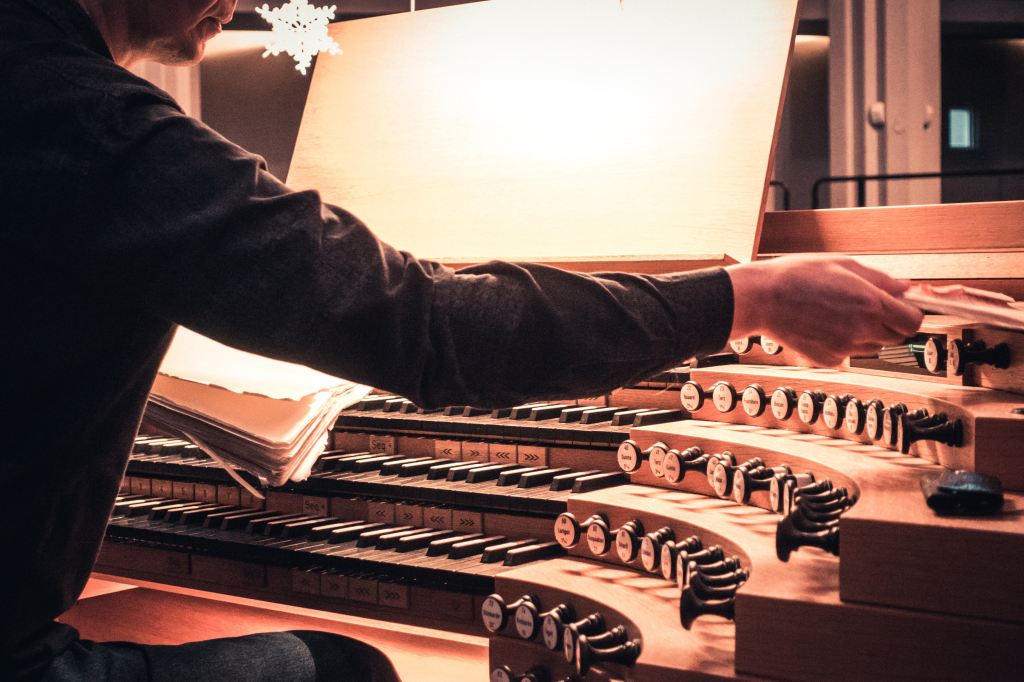
The Renaissance marked a turning point in the relationship between music and religion. As society began to place greater emphasis on humanism, art, and intellectual pursuits, the divide between sacred and secular music gradually widened. Composers began to explore non-religious themes, such as love, nature, and politics, in their works, leading to the development of secular genres like the madrigal and the chanson.
Despite this shift in focus, religious music continued to flourish during the Renaissance, with composers like Giovanni Pierluigi da Palestrina and Thomas Tallis producing some of the most revered sacred music in history. However, the growing popularity of secular music, along with the advent of music printing, contributed to a subtle but significant change in the role of music within religious institutions. No longer solely the domain of the church, music had become a more diverse and widely accessible art form.
4. The Protestant Reformation and its Impact on Sacred Music
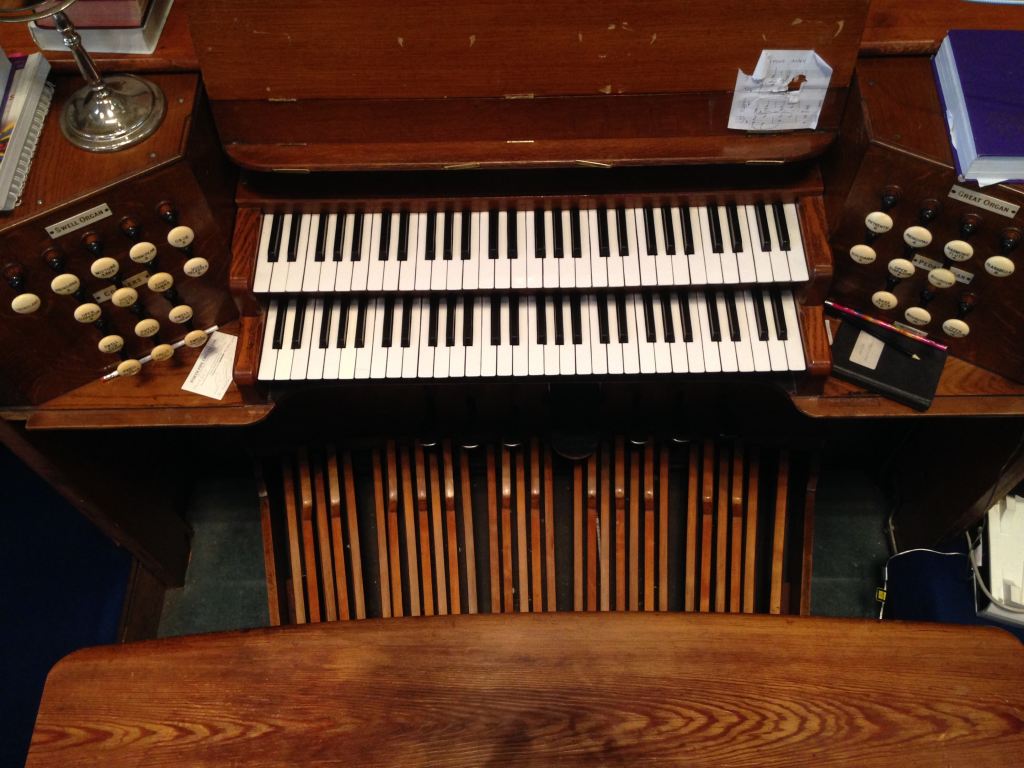
The Protestant Reformation of the 16th century brought about substantial changes to the relationship between music and religion. As religious figures like Martin Luther and John Calvin sought to reform the Catholic Church, they also aimed to redefine the role of music in worship. Luther, a skilled musician himself, believed that congregational singing should be central to religious services, encouraging the use of vernacular hymns and the adoption of simpler, more accessible musical styles.
Calvin, in contrast, took a more conservative approach to music in worship, advocating for a return to monophonic psalm singing and the removal of non-scriptural texts from religious music. These differing views on the role of music in worship contributed to a fragmentation of sacred music traditions, with various Protestant denominations adopting their own unique musical practices.
3. The Rise of Popular Music and the Separation from Religious Expression
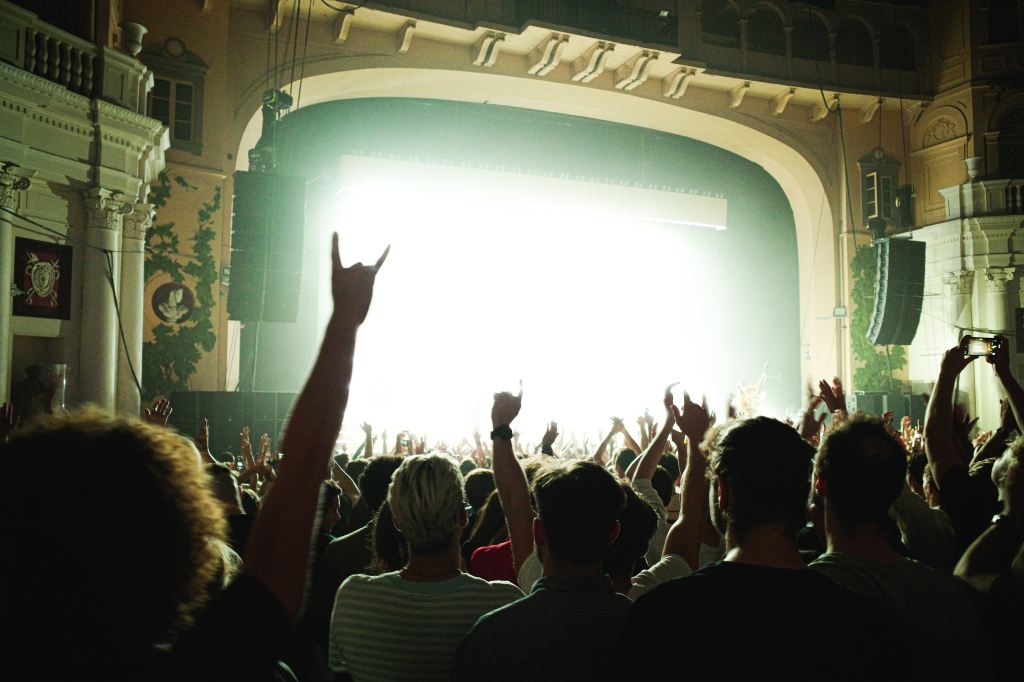
The emergence of popular music in the late 19th and early 20th centuries marked another significant shift in the relationship between music and religion. As new musical genres like jazz, blues, and rock ‘n’ roll gained popularity, they were often criticized by religious institutions for their association with secular themes, such as sexuality, rebellion, and hedonism.
The rise of popular music also led to the development of an increasingly commercial music industry, which placed greater emphasis on the profitability of music rather than its spiritual or artistic merits. This focus on commercial success, combined with the growing cultural influence of popular music, contributed to a further distancing of music from its religious roots.
2. The Influence of Secularism and Pluralism on Modern Religious Music

In the latter half of the 20th century and into the 21st, the influence of secularism and religious pluralism has continued to reshape the relationship between music and religion. As society has become more diverse and secular, religious institutions have had to adapt to these changes in order to remain relevant and maintain their influence. This has led to a greater acceptance and integration of secular music within religious contexts, as well as the emergence of new forms of religious music that draw on diverse cultural and musical traditions.
While traditional sacred music has continued to thrive in some religious communities, the boundaries between sacred and secular music have become increasingly blurred. Popular artists like Bob Dylan, U2, and Sufjan Stevens have explored religious themes in their work, while contemporary Christian music and gospel have adopted many of the stylistic elements of popular music. Additionally, the rise of interfaith and multicultural worship has led to the creation of new musical expressions that transcend traditional religious boundaries.
1. Conclusion: A Divided but Enduring Relationship
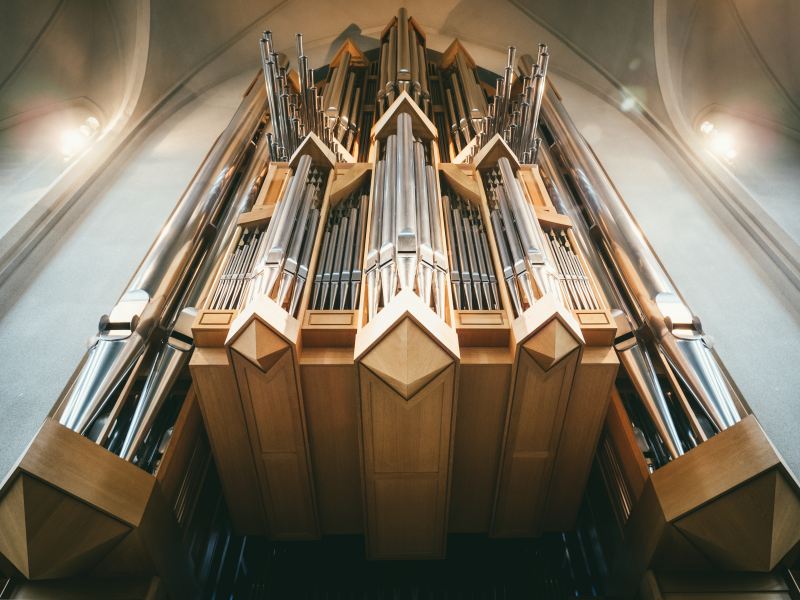
The relationship between music and religion has undeniably evolved over time, shaped by cultural, societal, and religious factors. While the once inseparable bond between music and religion has experienced a gradual division, it is important to recognize that this does not signify the end of their connection.
Music continues to play a vital role in the lives of many religious communities, providing a means of worship, expression, and connection with the divine. At the same time, the influence of religious themes and spirituality in popular music demonstrates that the relationship between music and religion is not entirely severed. Rather, it has become more complex and multifaceted, reflecting the diverse and ever-changing landscape of human spirituality.
As we continue to navigate the complexities of the modern world, the relationship between music and religion remains an important and enduring aspect of human culture. Though divided in many ways, the connection between these two powerful forces continues to shape our experiences, our beliefs, and our understanding of the world around us.
Blue Rhymez Entertainment ©2025
If you’ve read this article for free without being bombarded by ads and pop-up screens, please consider supporting our top favorite indie artists across the world by streaming the playlist below. It’s time to push to the front the voices that most deserve it!
 Blue Rhymez Entertainment