
For independent music artists, choosing a permanent genre can be both an exciting and challenging process. It involves finding the musical niche that best represents your unique sound, style, and artistic vision. In this article, we will explore the factors to consider when selecting a permanent genre, as well as the steps you can take to solidify your place within that genre and grow your audience.
10. Reflect on Your Musical Influences and Passions

The first step in choosing a permanent genre is to reflect on your musical influences and passions. Consider the artists and styles of music that have inspired and shaped your sound throughout your development as a musician.
Ask yourself the following questions:
- What genres do I consistently gravitate towards when creating music?
- Which artists have had the most significant impact on my musical journey?
- What elements from different genres do I enjoy incorporating into my music?
By identifying your musical influences and the aspects of various genres that resonate with you, you can begin to define your unique sound within a specific genre or fusion of genres.
9. Analyze Your Existing Music

Take a close look at your existing body of work and identify any recurring themes, styles, or elements that define your sound. This may reveal patterns that point you towards a specific genre or a combination of genres that best represents your music.
Consider the following aspects when analyzing your music:
- Song structures and arrangements
- Instrumentation and production techniques
- Lyrical content and themes
- Vocal styles and delivery
If your music consistently exhibits characteristics of a particular genre or subgenre, this may be a strong indication of your permanent musical direction.
8. Understand Your Target Audience

Your target audience plays a significant role in determining your permanent genre, as their preferences and listening habits will influence your music’s reception and success. Research the demographics, tastes, and behaviors of fans within your chosen genre or subgenre, and consider how your music aligns with their expectations.
Ask yourself:
- Who is my ideal listener, and what type of music do they enjoy?
- How does my music connect with the emotions, values, or experiences of my target audience?
- Are there existing communities or fan bases within my chosen genre that I can tap into?
By understanding your target audience, you can tailor your music and marketing efforts to best resonate with and attract loyal fans within your chosen genre.
7. Experiment with Different Genres and Collaborations

Before committing to a permanent genre, it’s crucial to explore different musical styles and collaborate with artists from various backgrounds. This can help you discover new influences, techniques, and perspectives that may enrich your sound and solidify your genre choice.
Collaborations can also provide valuable networking opportunities, exposure to new audiences, and potential partnerships that can support your growth within your chosen genre.
6. Consider the Marketability and Longevity of Your Chosen Genre

When selecting a permanent genre, it’s essential to consider the marketability and longevity of your music within that niche. Research the current trends, industry demand, and potential growth opportunities within your chosen genre to ensure that it aligns with your long-term career goals.
Consider these questions:
- Is there a consistent demand for my chosen genre within the music industry?
- Are there any emerging trends or subgenres that I can capitalize on?
- How will my music evolve and remain relevant within my chosen genre as my career progresses?
By assessing the marketability and longevity of your chosen genre, you can make informed decisions about your musical direction and its potential impact on your career trajectory.
5. Develop a Cohesive Brand and Visual Identity

Once you have chosen a permanent genre, it’s essential to develop a cohesive brand and visual identity that reflects your music and resonates with your target audience. Your brand should be consistent across your album artwork, social media profiles, website, merchandise, and promotional materials.
Invest time in creating a distinctive visual aesthetic that represents your music, genre, and artistic vision. This will not only help you stand out within your chosen genre but also create a memorable impression on potential fans and industry professionals.
4. Create and Release a Body of Work Within Your Chosen Genre
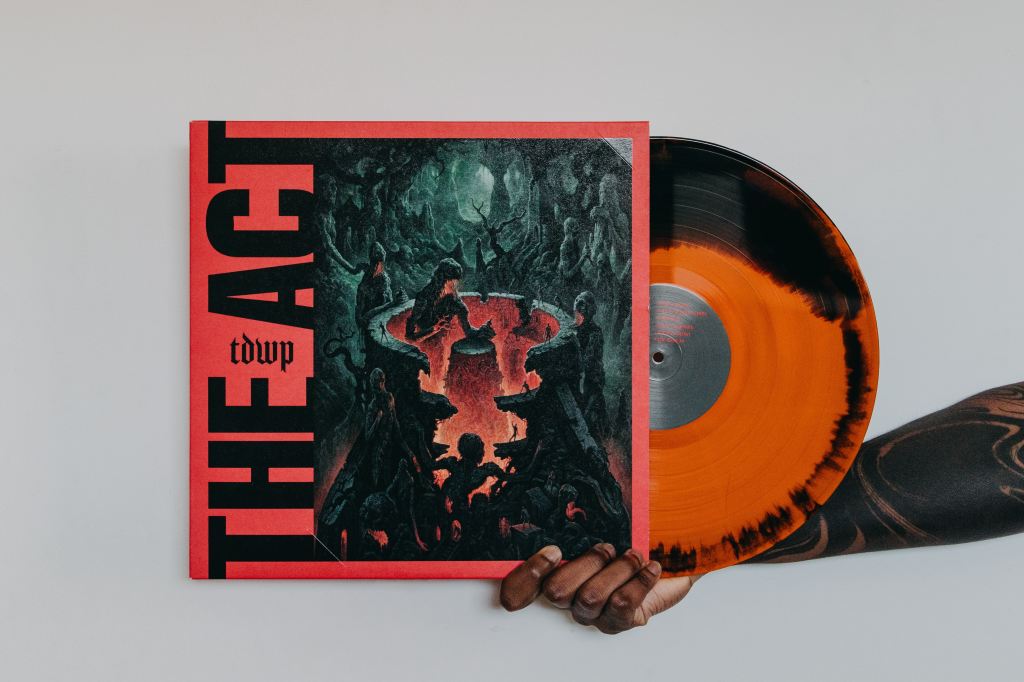
To solidify your place within your chosen genre, focus on creating and releasing a body of work that showcases your unique sound, style, and artistic vision. This may include singles, EPs, albums, or collaborative projects that consistently deliver high-quality music within your genre.
By releasing a cohesive body of work, you demonstrate your commitment to your chosen genre and establish a foundation for your growing fan base and industry recognition.
3. Engage with and Support the Genre Community

To build connections and credibility within your chosen genre, it’s crucial to engage with and support the community of artists, fans, and industry professionals who share your musical interests. Attend shows, conferences, and networking events within your genre, and actively participate in online forums, social media groups, and discussions.
Show genuine support for fellow artists within your genre by sharing their music,collaborating on projects, or attending their shows. By engaging with the community, you will not only build valuable relationships but also foster a sense of belonging and camaraderie that can propel your career forward within your chosen genre.
2. Promote and Market Your Music within Your Chosen Genre

It’s essential to develop and implement a targeted marketing and promotion strategy that focuses on reaching fans and industry professionals within your chosen genre. This may involve leveraging genre-specific playlists, blogs, radio stations, and social media influencers to increase your visibility and credibility within your niche.
Tailor your promotional materials, press releases, and pitches to emphasize your unique sound and commitment to your chosen genre. By concentrating your marketing efforts on your target audience within your genre, you increase your chances of attracting dedicated fans and establishing your presence within the niche.
1. Continuously Evolve and Refine Your Sound

As an independent music artist, it’s crucial to continuously evolve and refine your sound within your chosen genre. This may involve exploring new influences, production techniques, or collaborations that challenge your creativity and push the boundaries of your genre.
Regularly assess your musical direction and consider how your sound has evolved within your chosen genre. By remaining open to growth and innovation, you will not only stay relevant within your genre but also create a lasting and impactful career.
Choosing a permanent genre as an independent music artist is a multifaceted process that requires careful consideration of your musical influences, passions, target audience, and long-term career goals. By following the steps outlined in this article, you can confidently select a genre that best represents your unique sound and artistic vision, and develop a focused strategy to grow your audience and establish your presence within that genre.
Remember that your genre choice is not a rigid constraint but rather a guiding framework for your musical journey. Embrace the creative freedom that comes with being an independent artist, and continuously explore new influences and techniques that elevate and enrich your sound within your chosen genre. By doing so, you will create a dynamic and fulfilling career that resonates with fans and industry professionals alike.
Blue Rhymez Entertainment ©2025
If you’ve read this article for free without being bombarded by ads and pop-up screens, please consider supporting our top favorite indie artists across the world by streaming the playlist below. It’s time to push to the front the voices that most deserve it!
 Blue Rhymez Entertainment