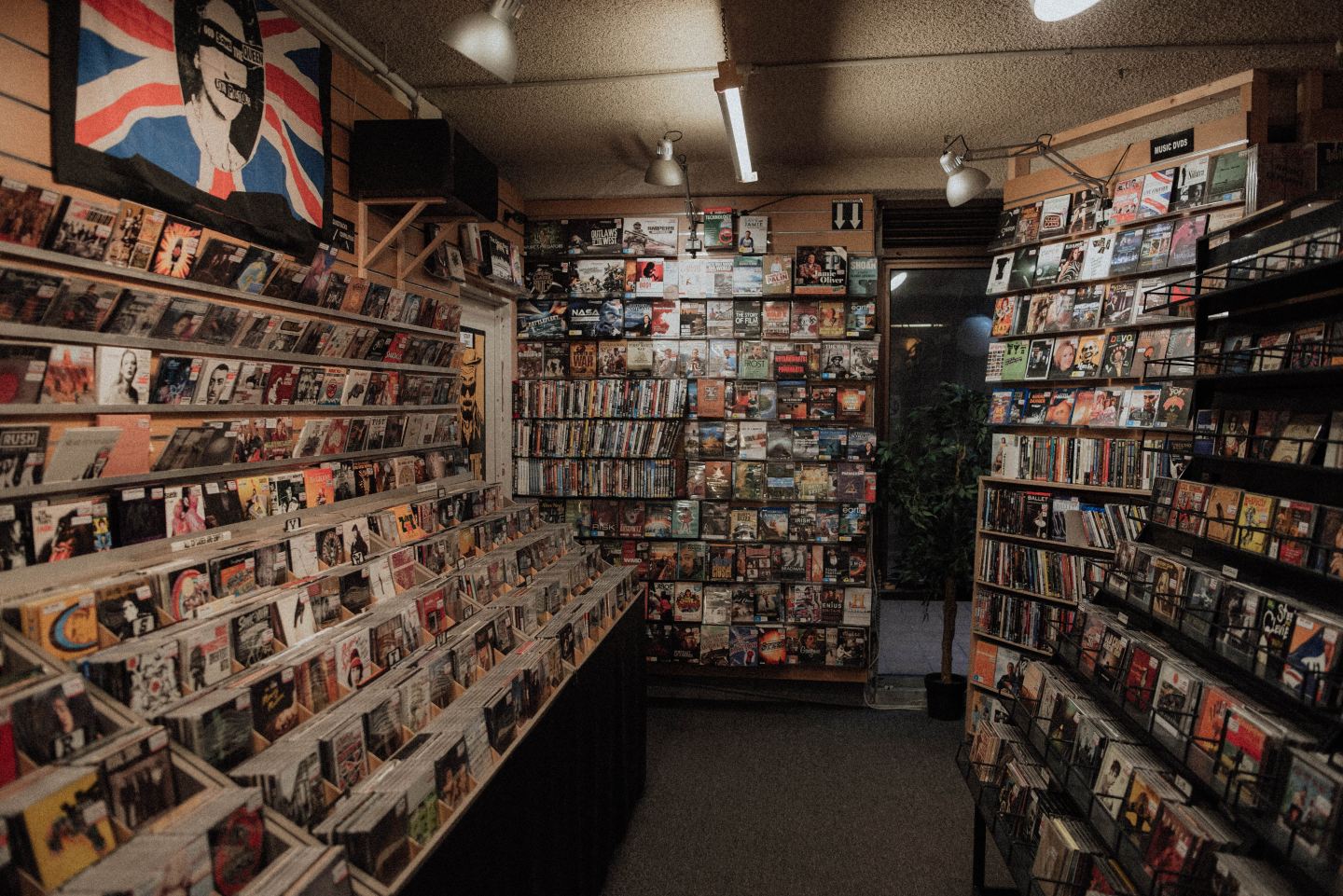
The music industry is a complex, ever-evolving landscape that is often difficult to navigate for artists, managers, and producers alike. One area of particular confusion for many is the difference between distribution deals and publishing deals. Both types of agreements are essential for artists seeking to establish themselves and monetize their work. However, they serve distinct purposes and offer different benefits. In this article, we will delve into the nuances of distribution and publishing deals, their benefits and drawbacks, and the ways in which they can impact an artist’s career.

1. Distribution Deals: The Gateway to the Marketplace
A distribution deal is an agreement between an artist (or their label) and a distributor that enables the artist’s music to be made available for sale and streaming on various platforms. In the pre-digital era, this meant physically manufacturing, shipping, and stocking CDs or vinyl records in brick-and-mortar stores. Today, the digital age has transformed the distribution landscape, with major players such as Spotify, Apple Music, and Amazon Music dominating the streaming market.
In a distribution deal, the distributor’s primary role is to ensure that an artist’s music reaches the widest possible audience. To achieve this, they typically negotiate agreements with digital and physical retailers, handle metadata and royalty tracking, and sometimes provide additional services such as marketing or promotional support.
Distribution deals come in various forms, including:
- Standard Distribution Deals: In this traditional arrangement, the distributor takes a percentage of revenue generated from the sale or streaming of an artist’s music. The artist (or their label) typically retains ownership of their master recordings.
- Digital Distribution Deals: These deals focus solely on digital platforms such as streaming services and digital download stores. Distributors may charge a flat fee, a percentage of revenue, or a combination of both.
- Label Services Deals: These deals go beyond distribution and include additional services such as marketing, promotion, and sync licensing. They are often negotiated on a case-by-case basis and can involve higher revenue splits in favor of the distributor.
2. Publishing Deals: Maximizing the Potential of Your Songwriting
A publishing deal, on the other hand, is an agreement between a songwriter (or their representative) and a music publisher. The primary role of a music publisher is to exploit the songwriter’s compositions, which are separate from the actual recordings of the songs. Publishers work to generate income for songwriters through several avenues, including:
- Mechanical Royalties: These are generated from the sale or streaming of a recorded version of a song. Publishers collect these royalties on behalf of songwriters and distribute them accordingly.
- Performance Royalties: These royalties are generated when a song is played on radio, in live performances, or through other public performances. Publishers work with performing rights organizations (PROs) to collect these royalties.
- Sync Licensing: This refers to the use of a song in TV shows, movies, commercials, video games, or other forms of media. Publishers actively pitch songs to music supervisors and negotiate licensing fees.
- Sheet Music Sales: While less common today, publishers can also generate income from the sale of sheet music and other printed materials.
Publishing deals are typically structured in one of the following ways:
- Single Song Agreement: This is a limited deal that covers one or more specific songs. The publisher will work to exploit these songs, and the songwriter retains the rights to their other compositions.
- Exclusive Songwriter Agreement: This is a more comprehensive deal in which the songwriter agrees to work exclusively with a particular publisher for a specific period. In this type of deal, all compositions written during the agreement term are covered.
- Co-Publishing Agreement: In these deals, the songwriter and publisher share ownership of the copyrights, usually on a 50/50 basis. This arrangement allows the songwriter to retain more control and a higher percentage of royalties.
- Administration Agreement: This deal involves the publisher handling the administrative tasks associated with copyright registration, royalty collection, and licensing, but the songwriter retains full ownership of their copyrights.
3. Weighing the Pros and Cons
Both distribution and publishing deals serve essential roles in an artist’s career, but they come with their own set of benefits and drawbacks.
Distribution Deal Pros:
- Access to a broader audience through various retail and streaming platforms.
- Professional handling of metadata, royalty tracking, and other logistical aspects.
- Potential marketing and promotional support.
Distribution Deal Cons:
- Distributors often take a percentage of revenue, which can vary greatly between deals.
- Limited creative control over marketing and promotion.
- The necessity for artists to manage their own publishing and licensing.
Publishing Deal Pros:
- Professional exploitation of compositions, maximizing income potential.
- Access to industry connections and potential sync licensing opportunities.
- Assistance with copyright registration, royalty collection, and licensing.
Publishing Deal Cons:
- Songwriters may need to give up partial or full ownership of their copyrights.
- Potential loss of creative control over how compositions are used.
- Exclusive deals may limit the songwriter’s ability to work with other publishers or collaborators.
4. Making the Right Choice for Your Career
When considering distribution and publishing deals, artists and songwriters must weigh the pros and cons, taking into account their individual goals, career stage, and the specific terms of each deal. For some, retaining full control over their work and managing their own distribution and publishing may be the best route. For others, partnering with established distributors and publishers can unlock new opportunities and revenue streams.
Here are some key factors to consider when evaluating potential deals:
- Revenue Splits: Carefully review the percentage of revenue that will be allocated to the distributor or publisher and ensure it aligns with industry standards and your expectations.
- Term Length and Exclusivity: Consider the length of the agreement and whether you are comfortable committing to an exclusive deal that may limit your options down the road.
- Services Provided: Assess the value of the services provided by the distributor or publisher and whether they align with your career goals and needs.
- Reputation and Relationships: Research the reputation of the distributor or publisher and their relationships within the industry. A strong track record and industry connections can be invaluable in growing your career.
- Creative Control: Reflect on how much creative control you are willing to relinquish in exchange for the benefits a distribution or publishing deal may provide.
In the end, both distribution and publishing deals play vital roles in the music industry, providing artists and songwriters with unique opportunities to expand their reach, generate revenue, and advance their careers. Understanding the differences between the two and carefully evaluating potential agreements will help you, the indie artist, make informed decisions that align with your long-term goals and vision.
Blue Rhymez Entertainment ©2025
If you’ve read this article for free without being bombarded by ads and pop-up screens, please consider supporting our top favorite indie artists across the world by streaming the playlist below. It’s time to push to the front the voices that most deserve it!
 Blue Rhymez Entertainment