In an era where digital presence means everything, social media has become an essential tool for independent artists to showcase their work, build their brand, and connect with their audience. As such, the security of these platforms is paramount. Here are ten ways independent artists can protect their social media profiles from being hacked.
10. Strong, Unique Passwords
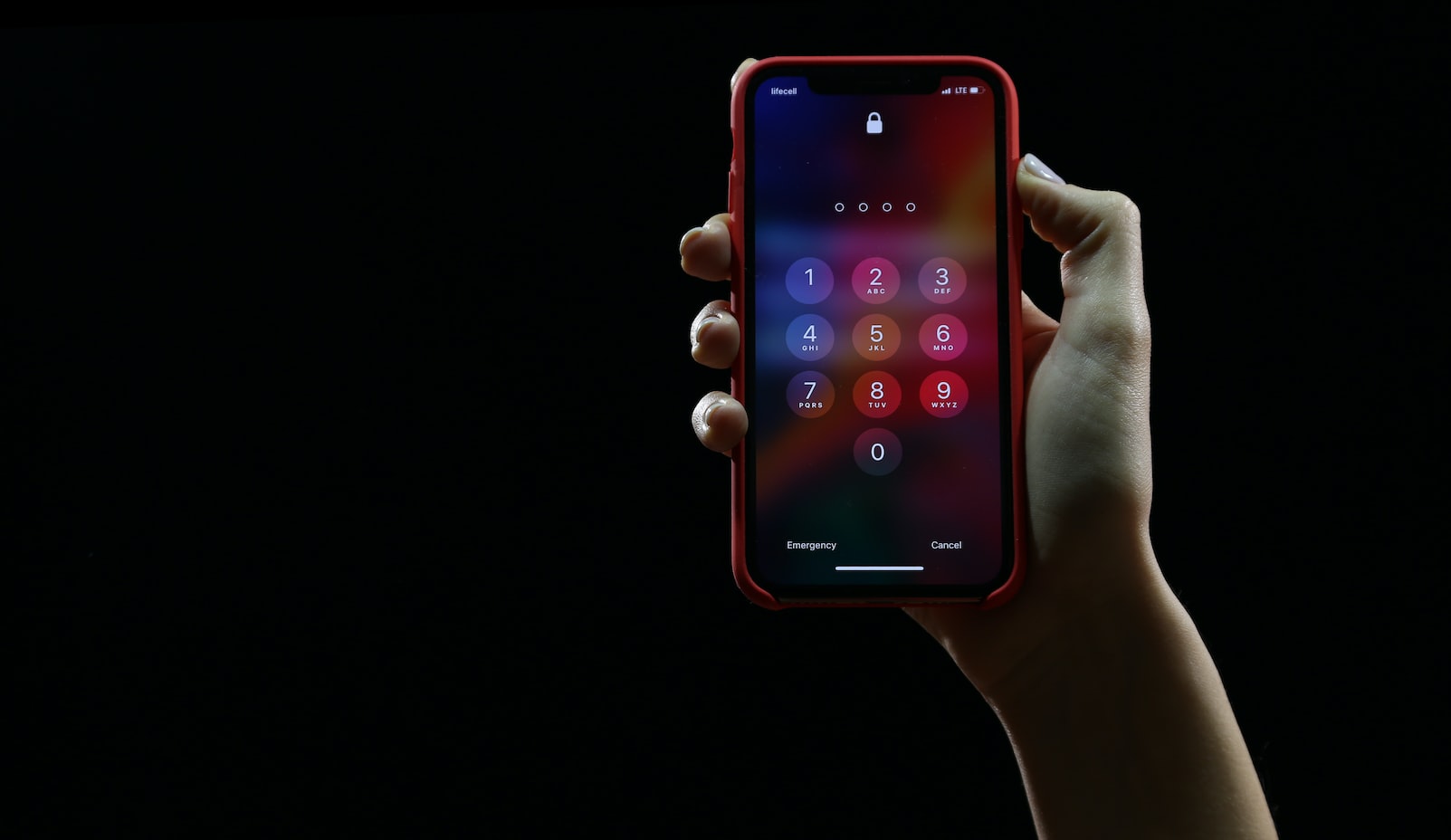
Your first line of defense is a strong, unique password. Avoid common words, sequential numbers, or anything easily guessable like your birth date, childhood pet name, mother’s maiden name, favorite digit, etc. Instead, use a random mix of letters, numbers, and special characters. Each social media account should have a unique password to prevent a breach on one platform from affecting all your accounts.
9. Two-Factor Authentication

Two-factor authentication (2FA) adds an extra layer of security by requiring two forms of identification. Typically, this involves a password and a second factor, like a text message or an authentication app. This makes it significantly harder for hackers to gain unauthorized access to your accounts. The drawback is significantly more time spent logging into every single account you own. However, the larger the following, the more it makes sense to take all precautions necessary for securing your brand and digital presence.
8. Regularly Update Your Software

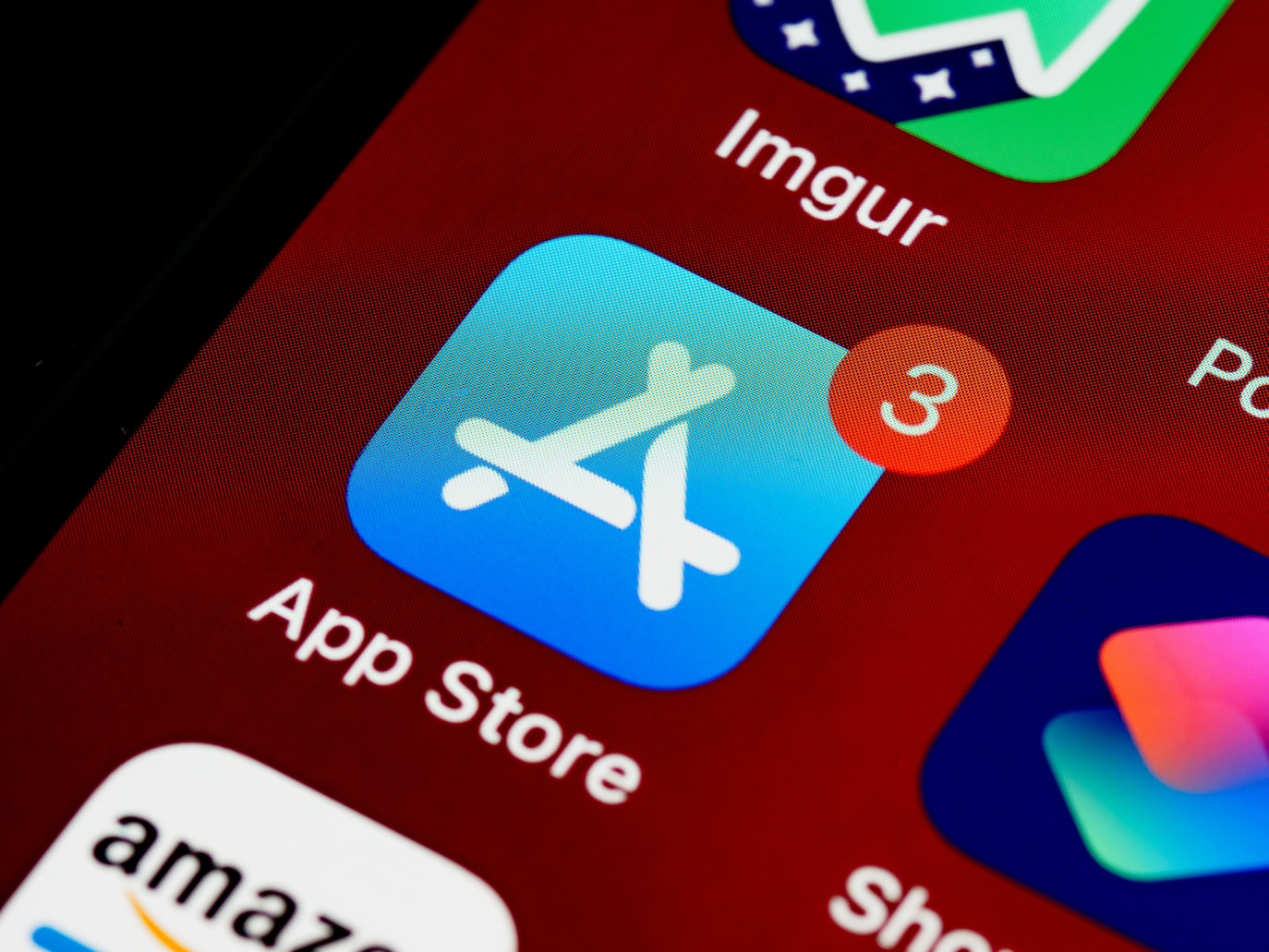
Software updates often contain security patches. Regularly updating your operating systems, applications, and devices ensures you have the latest protections against potential vulnerabilities. If you don’t have your updates set on automatically, make sure you often check the respective app store for your device.
7. Always Suspect Phishing Attempts
Phishing is a common hacking technique where an attacker tricks you into revealing your credentials. Be cautious of suspicious emails, messages, or links, even if they appear to come from a trusted source. Never provide your login information in response to an unsolicited request. Remember that your bank, internet provider, or phone company will identify themselves and call you multiple times should they need you. You can also ask questions to make sure they are who they say they are. Hackers posing as official representatives are a dime a dozen.
6. Secure Your Email Account

Your email account is often the key to resetting your social media passwords. Ensure it’s secured with a strong, unique password and 2FA. Ideally, you want one “clean” e-mail address for business purposes only. The more services and apps your email is connected to, the higher the risk of hacking. Regularly review your email settings and update your recovery information.
5. Limit Third-Party App Access
Many social media platforms allow third-party apps to access your account. While convenient, just like e-mails, each additional app is a potential vulnerability. Regularly review and remove any apps that you no longer use or trust. It’s not unheard of that an old app gets hacked, and all sensitive data they collected about their users is stolen and sold to the highest bidder.
4. Carefully Monitor Your Accounts
Regularly check your account activity for any suspicious behavior, such as posts you didn’t make or messages you didn’t send. Most platforms offer security and privacy settings that can notify you of unusual activity. Additional advice: use fewer social media accounts for sustainability. You can’t exist in all places simultaneously and do a good job keeping it all under control. Thus, we suggest you stick to a few that you enjoy and regularly post content on. Everything else is dead weight abusing your time and mental energy. Focus on the main platforms.
3. Protect Your Personal Information

The more information a hacker has about you, the easier it is for them to impersonate you or guess your security answers. Be mindful of what you share online. As a musician, it is best to stick to music only thus protecting your private life accordingly.
2. Don’t Be Too Friendly
Hackers targeting higher ranking accounts on social media (those with tens of thousands of followers and great engagement) often start their “ambitions” by targeting smaller accounts already friends with the big account. It is very common these days for real people with an insignificant online presence to get hacked and then engage in conversation with the “prey” asking for help, money, and to click a link to help their cause (which will give them access to your account while you’re trying to make Mother Theresa proud). So don’t click suspicious links, don’t accept friend requests from unknown profiles, and remove any essential-info messages from previous conversations with other people.
1. Don’t Log Into Your Accounts On Someone Else’s Device
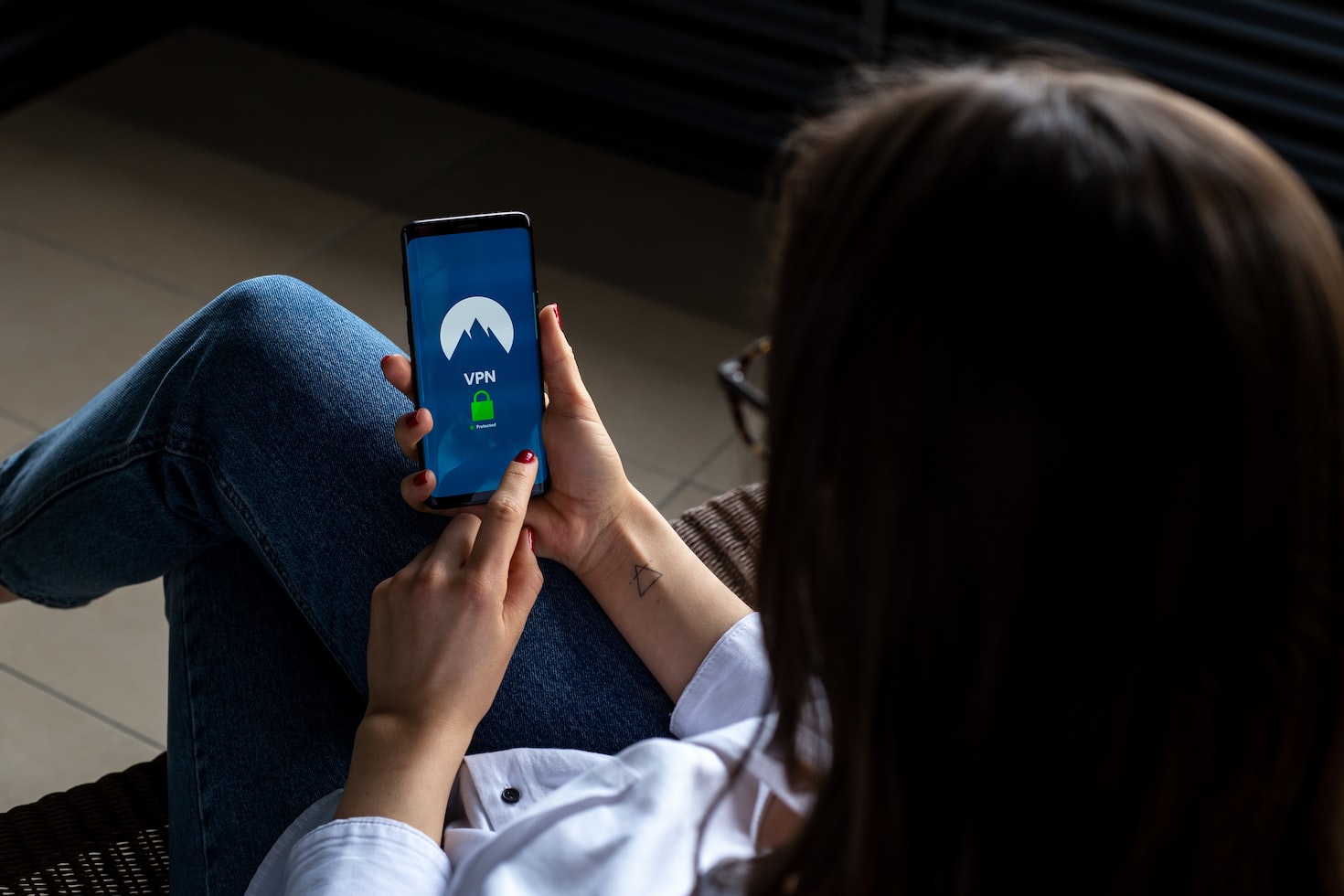
Always use YOUR phone, YOUR computer, YOUR Wi-Fi, YOUR data. Although your mom never intends to hack you and ask you for money to give you your account back, her own network might be compromised from the last online shopping session she concluded via dubious third-party Chrome extensions. Be EXTREMELY careful when using a public network or even that of a hotel or Airbnb. Big schemes of bitcoin mining, social media blackmailing, and crypto bullshit pyramids are taking place via shared networks in Airbnbs across the world. Use a VPN if you must connect to someone else’s internet.
Blue Rhymez Entertainment ©2025
If you’ve read this article for free without being bombarded by ads and pop-up screens, please consider supporting our top favorite indie artists across the world by streaming the playlist below. It’s time to push to the front the voices that most deserve it!
 Blue Rhymez Entertainment