In the ever-evolving landscape of social media, staying relevant and maintaining user engagement is a challenging task. Clubhouse, a platform based on audio, entered the scene with a bang, but hasn’t quite lived up to the initial hype. As music bloggers and curators, we at BRE have been tracking this platform closely. Here’s a look at why Clubhouse never quite became the next big thing.
The Concept of Clubhouse
Launched in 2020, Clubhouse introduced a fresh concept: an audio-only social media platform where users could join virtual rooms to listen or participate in live discussions. The platform initially drew in the tech elite and celebrities, and its invite-only model added a layer of exclusivity. Its potential for musicians and music industry professionals seemed vast, from hosting live Q&A sessions to facilitating in-depth discussions about music trends.
The Initial Boom
In its early stages, Clubhouse boasted impressive growth. The ability to drop in on conversations with industry leaders, celebrities, or knowledgeable strangers was compelling. For music artists, it offered a new way to connect with fans and network with industry professionals. The buzz was high, and for a while, Clubhouse looked like the future of social media.
The Decline
However, as time passed, the initial excitement around Clubhouse began to wane. Several factors contributed to this decline.
1. Lack of Content Moderation
One of the significant issues that plagued Clubhouse was its struggle with content moderation. The platform faced criticism for allowing the spread of misinformation and hate speech. For music artists who value inclusivity and respect, this was a major deterrent from using the platform.
2. The Exclusivity Factor
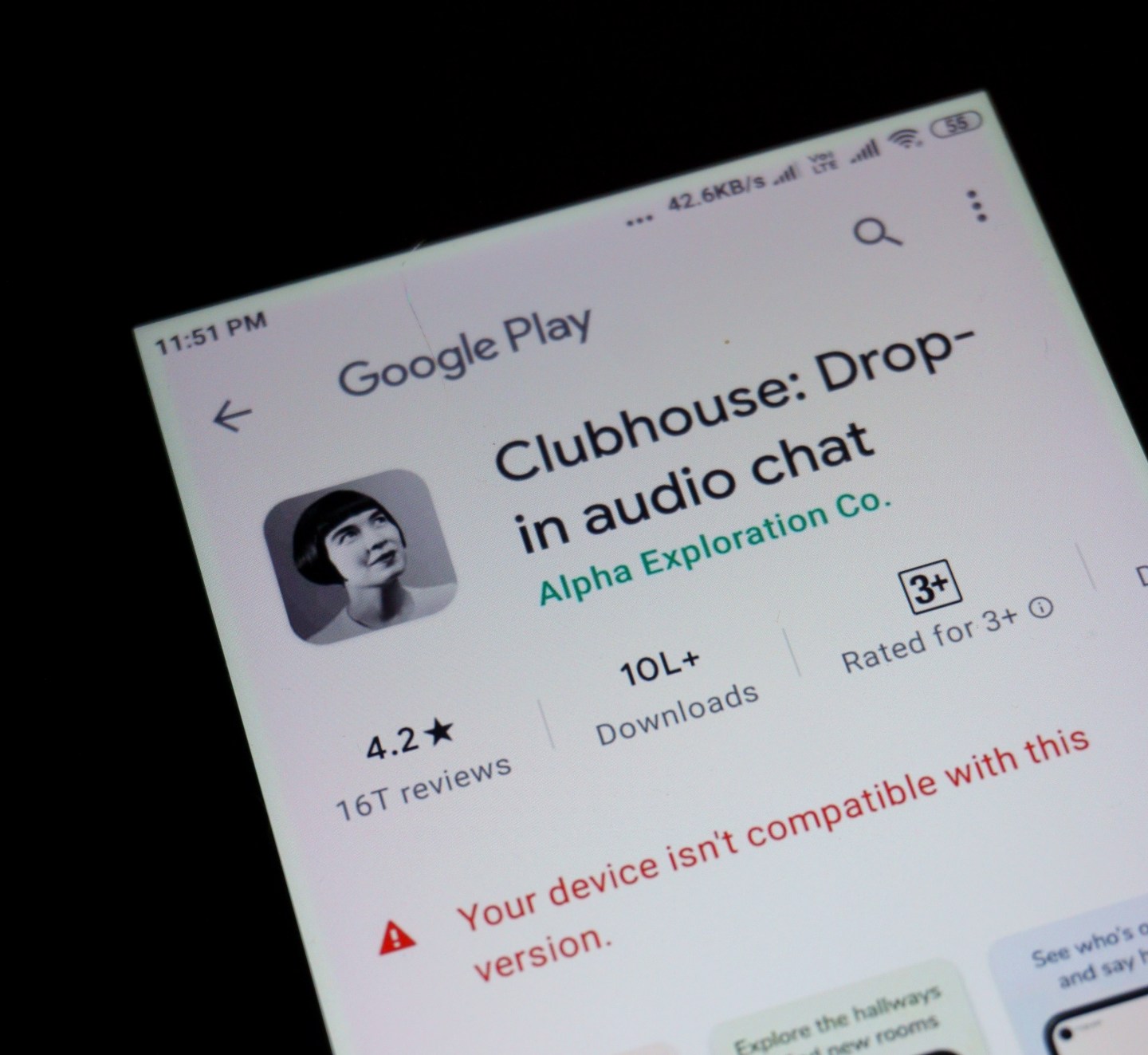
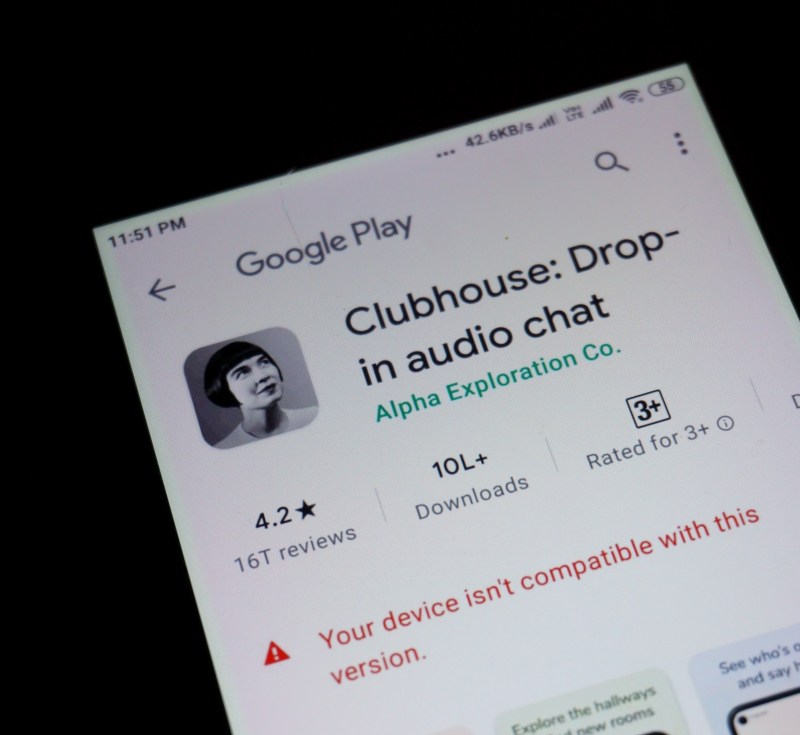
While the invite-only model added to Clubhouse’s initial allure, it also limited its user base. Android users didn’t get to experience Clubhouse for a full year before a compatible app got released on the Play Store. By the time Clubhouse was globally available, many potential users had already lost interest or migrated to other platforms.
3. Competition from Other Platforms
Clubhouse’s unique selling point was its audio-based format. However, other social media giants were quick to jump on the bandwagon. Twitter launched Spaces, and Facebook introduced Live Audio Rooms. These platforms already had a massive user base and offered similar features, making it hard for Clubhouse to compete.
4. Lack of User Retention
Maintaining user engagement on a social media platform is as crucial as attracting them in the first place. Many users joined Clubhouse out of curiosity but didn’t stick around. The reason varied from the lack of compelling content, inconsistent room quality, to the time-consuming nature of live audio.
5. Limited Music Rights
For a platform that centered around audio, Clubhouse had surprisingly limited music rights. This made it difficult for artists to play their music directly on the platform without violating copyright rules.
6. Lack of Discoverability
Discoverability on Clubhouse was another issue. With no algorithm to suggest relevant rooms, users often found it hard to find conversations that interested them. For music artists, this made it challenging to reach new audiences.
Conclusion
Despite its promising start, Clubhouse has struggled to secure its place as the ‘next big thing’ in social media. Its audio-only format was innovative, but issues with content moderation, competition from other platforms, and difficulties retaining users have hindered its growth. For music artists, while Clubhouse can still be a useful tool for networking and engaging with fans, it may not be the game-changer it initially seemed to be.
The rise and fall of Clubhouse serve as a reminder that in the fast-paced world of social media, innovation and novelty aren’t always enough. Platforms need to continuously evolve, offer compelling content, and above all, foster a safe and inclusive community for their users. As for what the next big thing in social media will be, only time will tell.
Blue Rhymez Entertainment ©2025
If you’ve read this article for free without being bombarded by ads and pop-up screens, please consider supporting our top favorite indie artists across the world by streaming the playlist below. It’s time to push to the front the voices that most deserve it!
 Blue Rhymez Entertainment