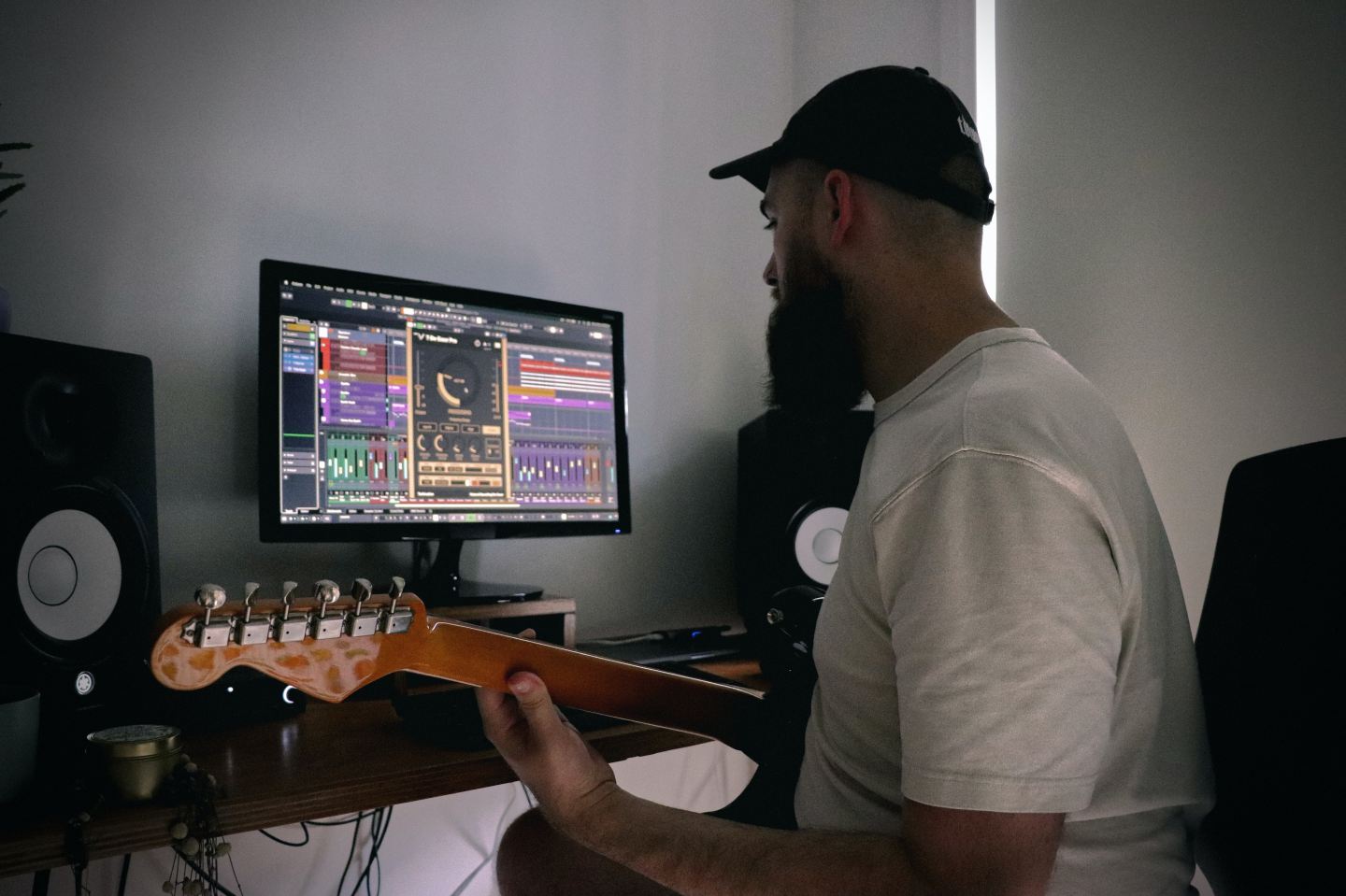
Selecting the right Digital Audio Workstation (DAW) can make a world of difference in your music production process. This software serves as your main platform for recording, editing, mixing, and mastering your tracks. With myriad options available, how do you choose the right DAW for your music? Here are five important questions to guide your decision.
5. What is Your Skill Level and Experience?

Your experience level with music production software will significantly influence your choice. If you’re a beginner, you may prefer a DAW that is user-friendly and intuitive. GarageBand, for instance, is known for its simplicity and is an excellent choice for beginners.
On the other hand, if you’re an advanced user, you might prefer a DAW that offers more sophisticated features and flexibility. Pro Tools, a standard in professional studios worldwide, offers advanced editing and mixing capabilities, but it has a steeper learning curve.
4. What is Your Budget?

DAWs can range significantly in cost, from free software to ones that cost several hundred dollars. It’s essential to consider your budget before making a decision.
If you’re a beginner or on a tight budget, consider starting with a free or affordable DAW like Tracktion T7 or Cakewalk by BandLab. As you become more skilled and invested in music production, you might consider upgrading to a professional-grade DAW.
Keep in mind that some DAWs operate on a subscription model, while others require a one-time purchase. Make sure to consider the long-term cost when deciding which is best for you.
3. What are Your Musical Needs and Goals?

Different DAWs cater to different musical needs and genres. For example, if you’re producing electronic music or hip-hop, you might prefer a DAW like Ableton Live or FL Studio, known for their robust MIDI capabilities and loop-based sequencing.
If you’re recording live instruments or vocals, a DAW like Pro Tools or Logic Pro X, known for their comprehensive recording and editing features, might be more suitable.
Consider your long-term goals as well. If you plan to work in a professional studio or collaborate with other producers, you may want to choose a DAW that is widely used in your target industry or community.
2. What is Your Preferred Operating System?
Some DAWs are compatible with both Windows and Mac, while others are exclusive to one operating system. For example, Logic Pro X is only available for Mac, while Cakewalk is only available for Windows.
Make sure the DAW you choose is compatible with your current system. If you’re considering changing your operating system in the future, you might opt for a cross-platform DAW like Ableton Live or Pro Tools.
1. How Important is Customer Support and Community?

Good customer support can be a lifesaver when you encounter technical issues or have questions about your DAW. Some companies offer extensive support through manuals, tutorials, and customer service lines.
In addition to official support, consider the DAW’s user community. A large, active community can be an invaluable resource for learning tips and tricks, solving problems, and getting feedback on your work. DAWs like Ableton Live and FL Studio are known for their vibrant user communities.
In conclusion, choosing the right DAW is a critical step in your music production journey. By considering your skill level, budget, musical needs, operating system, and the available support and community, you can select a DAW that not only meets your current needs but also supports your future growth as a music artist. Remember, the best DAW is the one that works for you. Happy music-making!
Blue Rhymez Entertainment ©2025
If you’ve read this article for free without being bombarded by ads and pop-up screens, please consider supporting our top favorite indie artists across the world by streaming the playlist below. It’s time to push to the front the voices that most deserve it!
 Blue Rhymez Entertainment