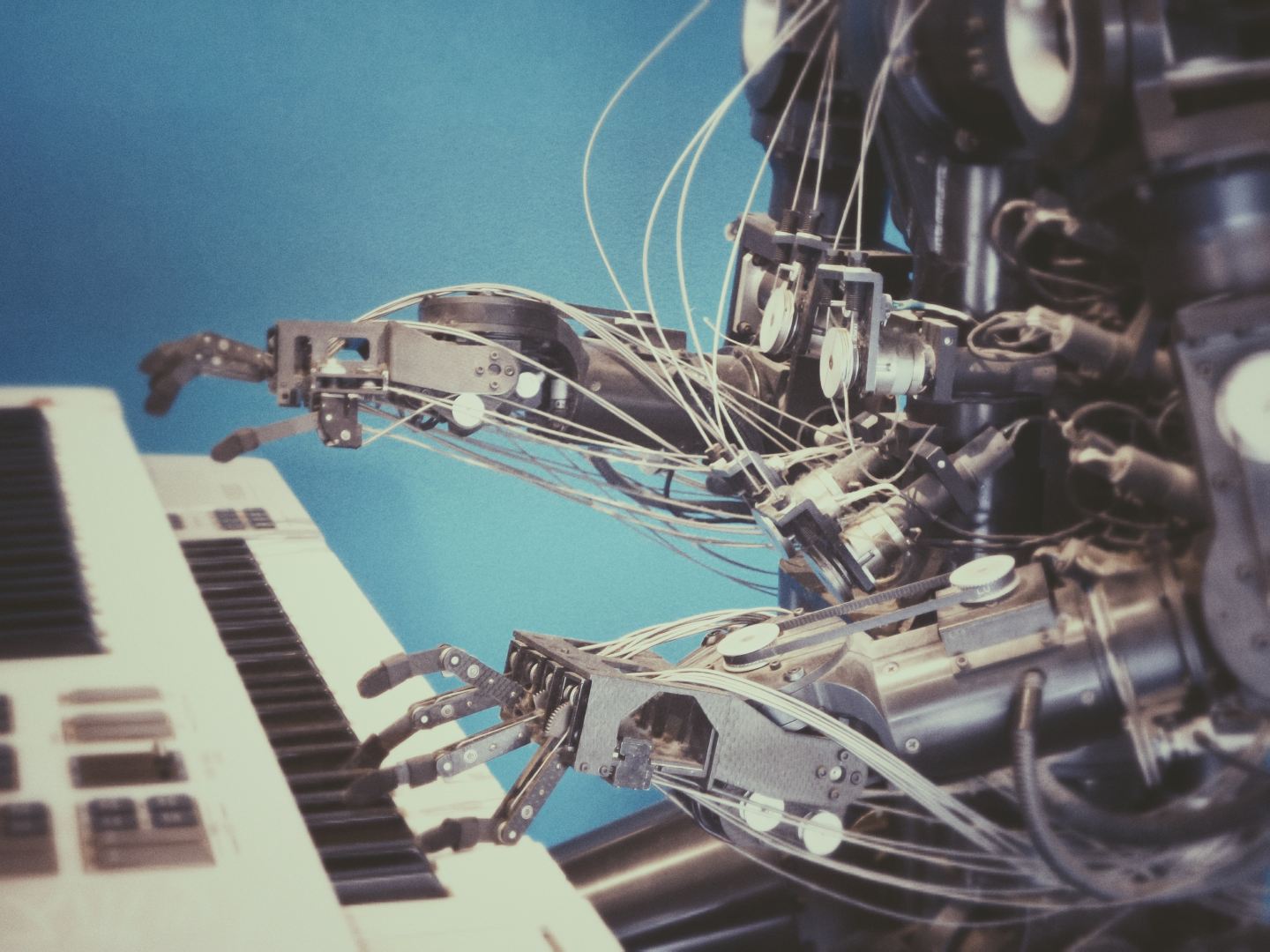
Artificial Intelligence (AI) has become a tour de force in numerous industries, revolutionizing traditional norms and ways of operation. The music business, with its intricate web of artists, producers, promoters, and consumers, has not remained untouched. AI has brought about several transformative effects on the music industry, some of which have been embraced with open arms, while others have sparked debates. Here, we delve into the five primary ways AI has impacted the music business.
5. Music Creation and Composition

AI’s influence on the creative process is unmistakable. Gone are the days when musical composition was solely a human endeavor. Today, we have AI algorithms that can compose music, sometimes indistinguishable from pieces created by human artists. Platforms like Amper Music and AIVA utilize AI to generate original compositions in a variety of genres. While purists argue that this devalues the human touch in music, there’s no denying its utility. Film producers or video game designers, for instance, can now access AI-generated background scores tailored to their requirements without lengthy human collaborations or licensing processes. However, this also raises questions about copyright and the essence of creativity: who owns the rights to a song created by AI?
4. Music Recommendation and Personalization

The days of generic radio stations and generalized top 40 charts are giving way to hyper-personalized music streaming experiences. Platforms like Spotify and Apple Music use AI-driven algorithms to analyze user preferences, behaviors, and even moods to curate bespoke playlists and song suggestions. This level of personalization has led to increased user engagement and platform loyalty. The more a listener interacts with the platform, the more data is gathered, leading to better recommendations and, in turn, greater user satisfaction. It’s a virtuous cycle where AI sits at the core, ensuring listeners find their next favorite song while artists get a chance at increased exposure.
3. Talent Discovery and Promotion

With the explosion of digital platforms and the ease of content upload, there’s more music out there than ever before. This abundance makes it harder for record labels and producers to discover the next big talent. AI comes to the rescue with its ability to sift through vast amounts of music, identifying potential hits based on patterns, trends, and more. Platforms like Sodatone, which was acquired by Warner Music, employ AI to pinpoint emerging artists who are gaining traction but might still be under the radar. These tools consider social media metrics, streaming counts, and other data points to forecast an artist’s potential. Such technology can level the playing field, giving lesser-known musicians a chance to shine.
2. Enhanced Live Shows and Experiences

AI is also making waves in the realm of live performances. Tools and platforms now offer real-time audience engagement data, helping performers adjust their sets or interactions based on crowd reactions. Moreover, AI-driven visual effects, synchronized with music beats, have taken live shows to a new immersive level. Furthermore, virtual assistants and chatbots are now being used by event organizers and ticketing platforms to provide instant information, handle ticket purchases, and even offer personalized event recommendations. This not only enhances user experience but also streamlines operations and reduces overheads.
1. Music Education and Training

AI’s intervention in music education is reshaping how aspiring musicians learn and hone their craft. Apps like Yousician use AI to listen to users play an instrument, offering real-time feedback and tailored lessons based on performance. This personal tutor approach, powered by AI, democratizes learning, making high-quality music education accessible to many who might not have had such opportunities in the past. Moreover, with platforms leveraging AI for vocal training, rhythm synchronization, and even music theory lessons, the boundaries of traditional music education are being pushed, opening doors for more inclusive and widespread musical literacy.
AI’s foray into the music business is a testament to its transformative potential across diverse domains. While it brings efficiency, personalization, and innovation, it also prompts essential questions about creativity, authenticity, and the role of human touch in art. As with any technological disruption, balance is crucial. Embracing AI’s tools while preserving the soul and essence of music will be the industry’s challenge and opportunity in the years ahead.
Blue Rhymez Entertainment ©2025
If you’ve read this article for free without being bombarded by ads and pop-up screens, please consider supporting our top favorite indie artists across the world by streaming the playlist below. It’s time to push to the front the voices that most deserve it!
 Blue Rhymez Entertainment