
As one of the most popular and influential genres of music, hip-hop has continuously evolved since its inception in the late 1970s. From its humble beginnings in the Bronx to its current status as a global phenomenon, hip-hop has always been a reflection of the times and the communities that created it. Over the past decade, hip-hop production has undergone a series of significant transformations, driven by a combination of technological advancements, shifting cultural landscapes, and the creativity of a new generation of artists and producers. In this comprehensive analysis, we’ll delve into the key factors and trends that have shaped the evolution of hip-hop production over the past ten years, examining how the genre has adapted and reinvented itself to remain at the forefront of popular music.
10. The Rise of Digital Technology and Accessible Production Tools
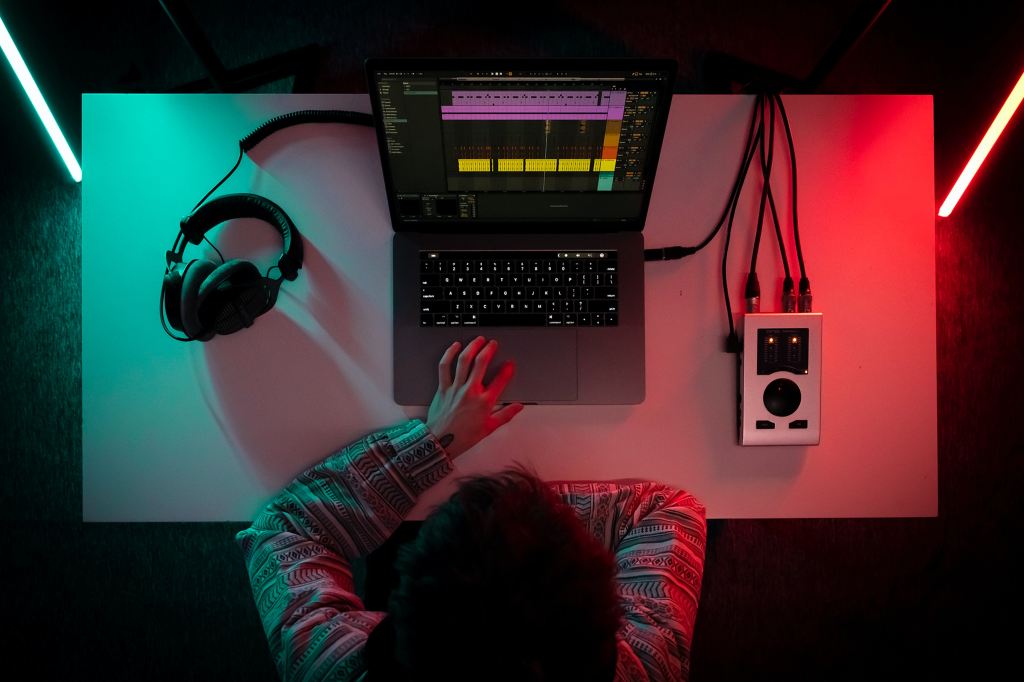
One of the most significant factors contributing to the evolution of hip-hop production over the past decade is the rise of digital technology and the widespread availability of affordable production tools. The development of powerful software, such as digital audio workstations (DAWs) and virtual instruments, has opened up new creative possibilities for producers and artists, enabling them to experiment with a vast array of sounds, textures, and techniques.
The increased accessibility of these tools has also democratized the process of music production, allowing aspiring producers and beatmakers to create professional-quality tracks from their bedrooms without the need for expensive studio equipment. This has led to a surge of new talent entering the hip-hop scene, each with their unique perspectives and approaches to production, resulting in a more diverse and vibrant sonic landscape.
9. The Influence of Online Beat Marketplaces and Collaborative Platforms

In tandem with the rise of digital production tools, the past decade has seen the emergence of online beat marketplaces and collaborative platforms, which have had a profound impact on the way hip-hop music is produced and consumed. Websites like BeatStars, Airbit, and SoundClick allow producers to sell their beats directly to artists, bypassing traditional industry gatekeepers and providing a new avenue for creative collaboration and revenue generation.
These platforms have not only made it easier for producers to monetize their work but have also facilitated cross-genre experimentation by connecting artists and beatmakers from diverse musical backgrounds. The result is a more eclectic and innovative hip-hop soundscape, characterized by a fusion of styles and influences from across the globe.
8. The Proliferation of Subgenres and Regional Sounds
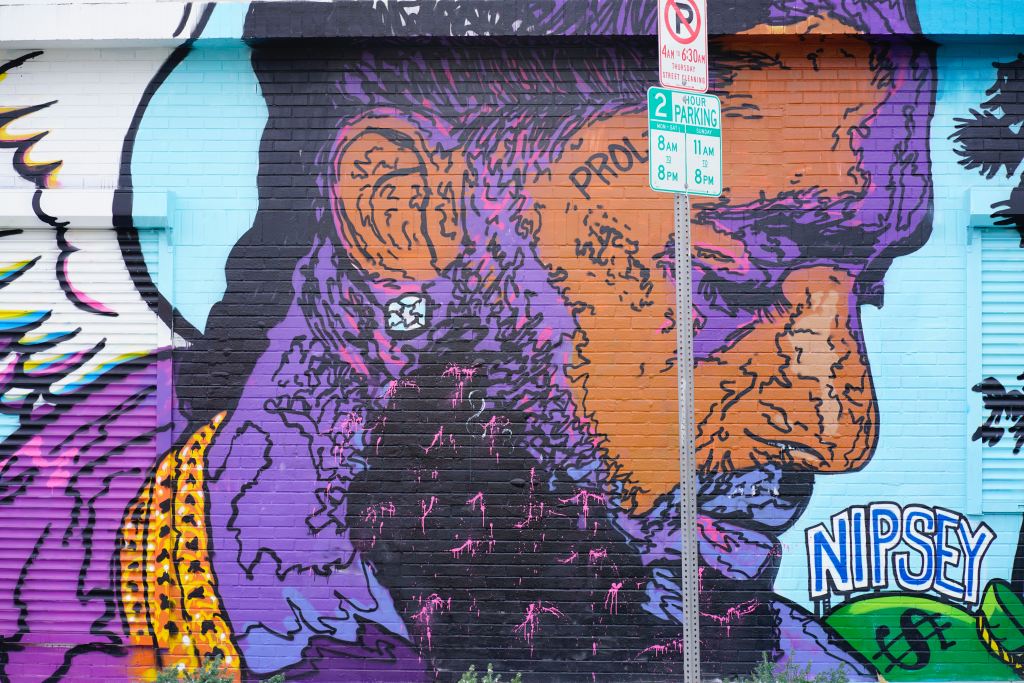
As hip-hop has grown in popularity, the genre has fractured into a myriad of subgenres and regional sounds, each with its distinct production techniques and aesthetic sensibilities. Over the past decade, this trend has accelerated, with the emergence of new styles like trap, drill, lo-fi hip hop, and cloud rap, to name just a few.
The rise of these subgenres has not only expanded the boundaries of hip-hop production but has also fostered a spirit of creative competition and experimentation, as artists and producers continually push themselves to develop new sounds and stand out from the crowd. This has led to a more diverse and dynamic hip-hop landscape, with each subgenre contributing its own unique flavor to the mix.
7. The Impact of Streaming Platforms and the Changing Music Industry
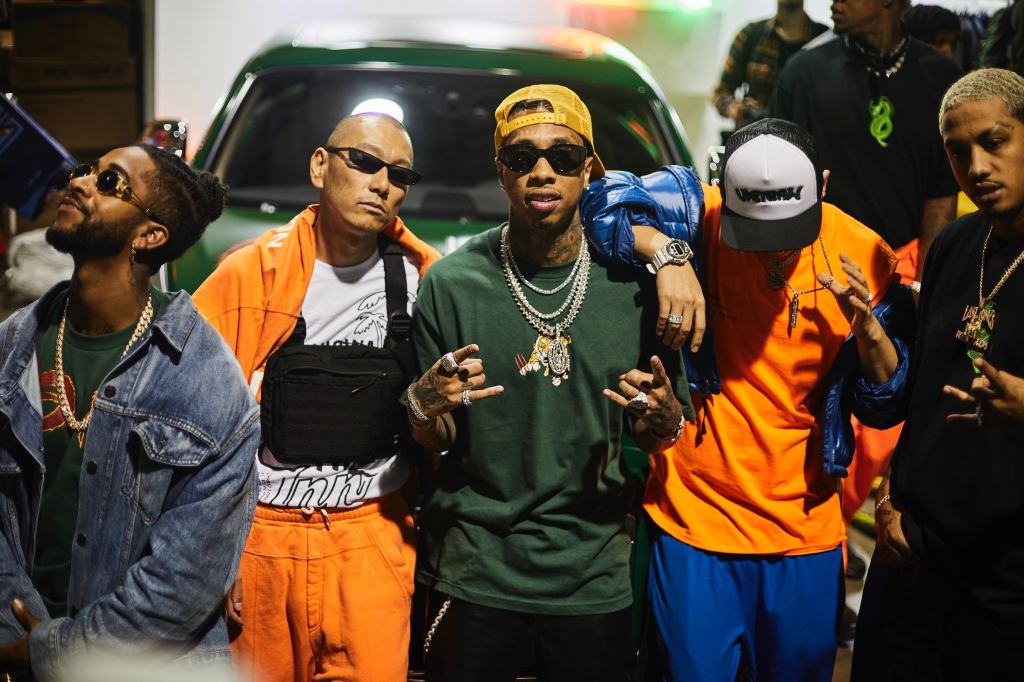
The past decade has witnessed a seismic shift in the music industry, with streaming platforms like Spotify, Apple Music, and Tidal becoming the primary mode of music consumption for millions of listeners worldwide. This has had a profound impact on hip-hop production, as artists and producers adapt their creative approaches to cater to the tastes and habits of the streaming generation.
In this new landscape, tracks with shorter runtimes and catchy hooks are favored, as they are more likely to be added to playlists and generate repeat listens. This has led to a greater emphasis on concise song structures and memorable melodies, with producers increasingly focused on creating earworms that will resonate with listeners and keep them coming back for more.
6. The Influence of Social Media and Viral Trends

Social media platforms such as TikTok, Instagram, and Twitter have become key drivers of hip hop’s evolution over the past decade, as artists and producers leverage these platforms to build their brands, connect with fans, and participate in viral trends. The impact of these platforms on hip-hop production is twofold: on the one hand, they have accelerated the pace of change, as producers are constantly exposed to new ideas and influences, while on the other hand, they have created a feedback loop in which popular trends and sounds are rapidly reproduced and disseminated across the hip hop landscape.
This has resulted in a more fragmented and ephemeral production landscape, with producers constantly adapting their approaches to keep up with the latest trends and cater to the ever-changing tastes of the social media generation.
5. The Emergence of Genre-Blending Artists and Producers
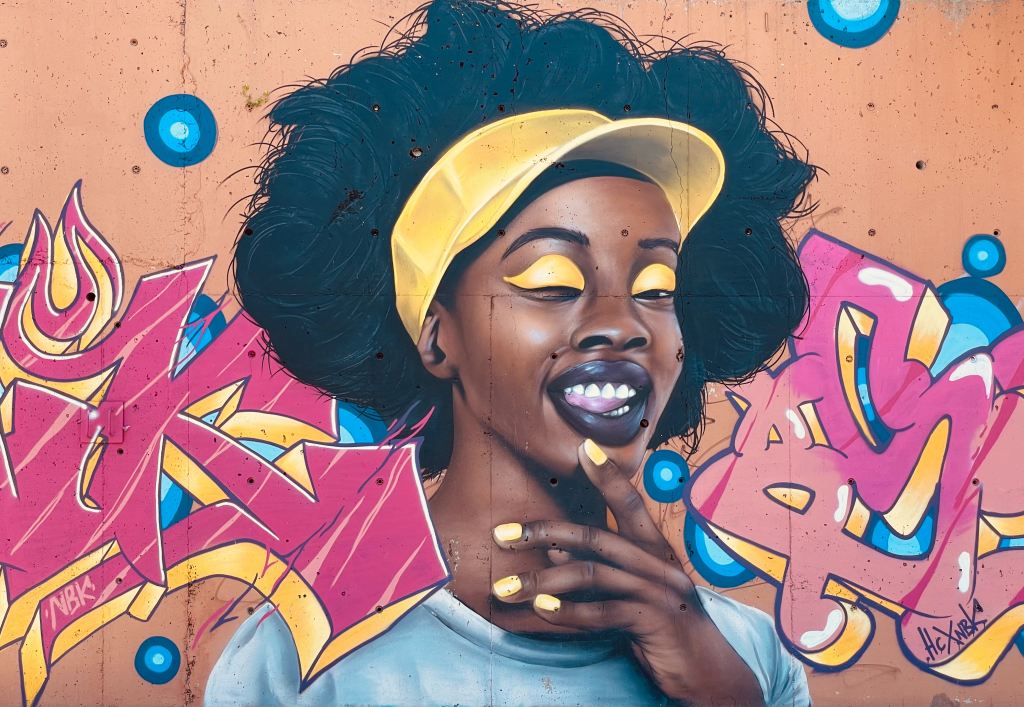
Over the past decade, the lines between hip-hop and other genres have become increasingly blurred, as a new generation of genre-blending artists and producers has emerged. These creative visionaries, such as Kendrick Lamar, Travis Scott, and Tyler, The Creator, have pushed the boundaries of hip-hop production by incorporating elements from rock, electronic, R&B, and other genres into their work, resulting in a more diverse and eclectic sound.
This trend has been further fueled by the rise of multi-talented artists who have taken a more hands-on approach to production, often acting as both the beatmaker and the vocalist. This has led to a greater degree of creative control and experimentation, as these artists are able to shape their sound from the ground up and challenge traditional genre conventions.
4. The Growing Role of Sampling and Sound Manipulation
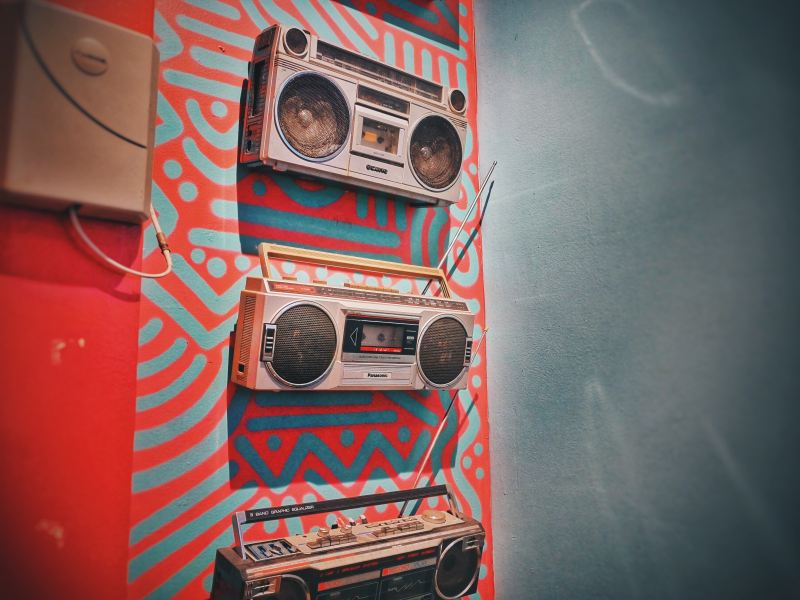
While sampling has been a cornerstone of hip-hop production since its inception, the past decade has seen a resurgence in the practice, as artists and producers have become increasingly adept at manipulating sounds and crafting unique sonic textures. The development of advanced sampling software and plugins, coupled with the vast array of sounds available online, has given producers an unprecedented level of creative freedom.
This has led to a new wave of innovative and boundary-pushing hip-hop production, characterized by a focus on unconventional sound sources, intricate sound design, and a willingness to challenge the established norms of the genre.
3. The Impact of Lo-Fi and Bedroom Pop Aesthetics
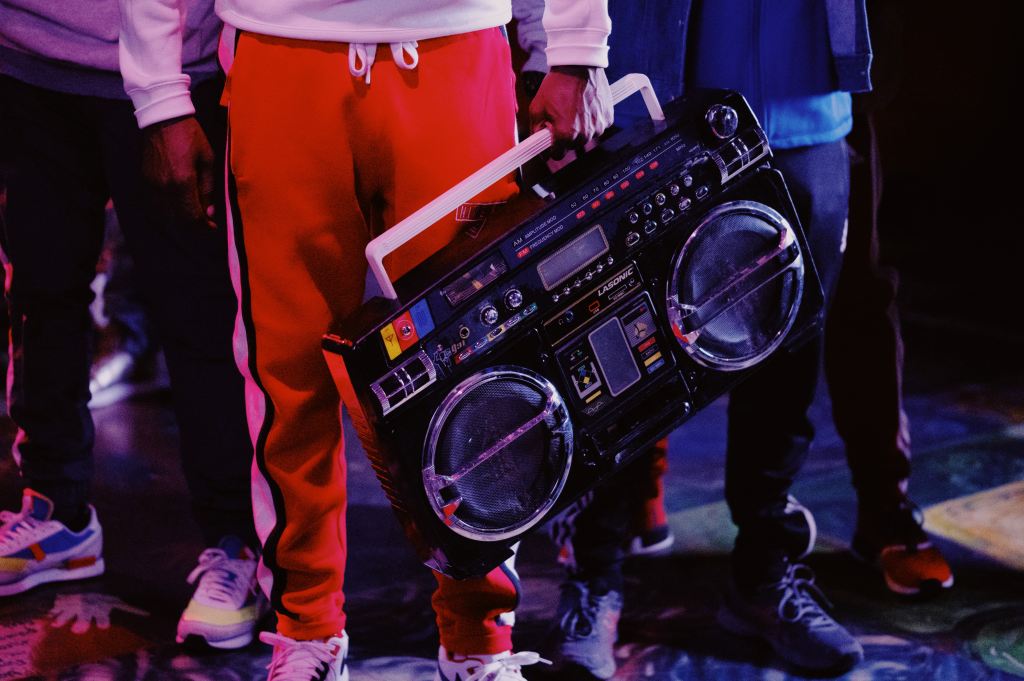
Another significant trend in hip-hop production over the past decade has been the adoption of lo-fi and bedroom pop aesthetics, characterized by a preference for raw, unpolished sounds and minimalistic arrangements. Driven in part by the DIY ethos of the internet era, this approach has resonated with a new generation of listeners who prize authenticity and emotional vulnerability over glossy production values.
As a result, many hip-hop artists and producers have embraced a more stripped-back and introspective sound, incorporating elements such as vintage synths, tape hiss, and off-kilter drum patterns into their work. This has led to a more emotionally resonant and intimate form of hip-hop, which stands in stark contrast to the bombastic, maximalist production styles that dominated the genre in previous decades.
2. The Globalization of Hip-Hop Production
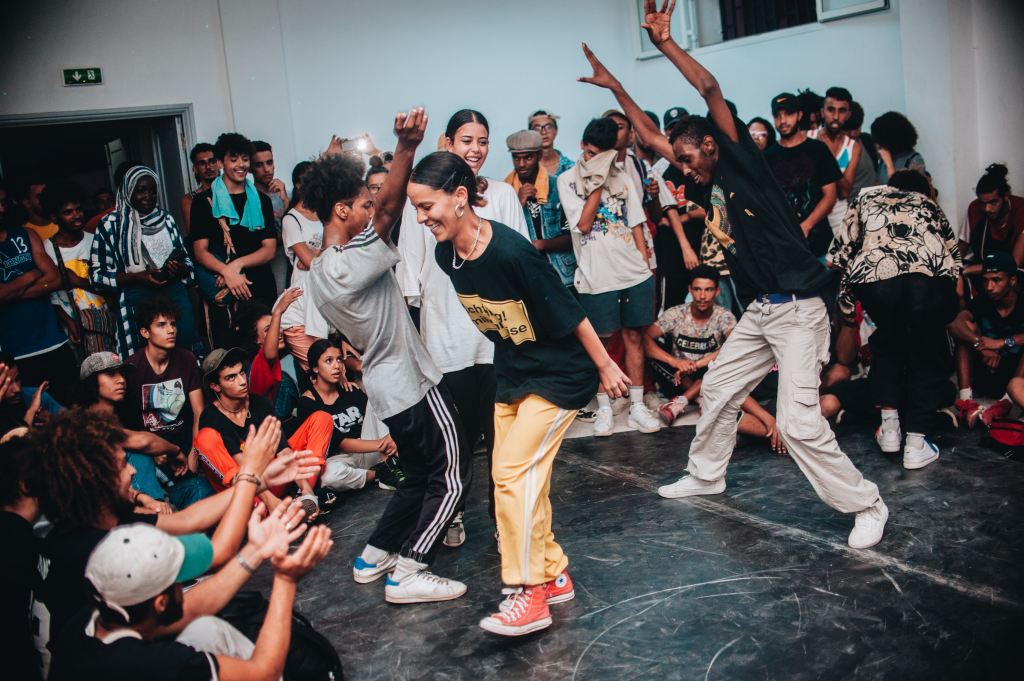
As hip-hop has expanded its reach and influence, the genre has increasingly absorbed sounds and styles from around the world. Over the past decade, this trend has accelerated, with artists and producers from countries such as Nigeria, South Korea, and Brazil making their mark on the global hip-hop landscape.
This process of cultural exchange and fusion has enriched hip-hop production, introducing new rhythms, instruments, and production techniques into the mix. It has also fostered a greater sense of global connectivity within the hip-hop community, as artists and producers collaborate across borders and share their unique perspectives and experiences.
1. The Ongoing Quest for Innovation and Originality

Ultimately, the driving force behind the evolution of hip-hop production over the past decade has been the relentless pursuit of innovation and originality. As the genre has matured and become more commercially successful, there has been a growing emphasis on pushing the creative envelope and challenging the status quo.
In this quest for innovation, artists and producers have embraced new technologies, explored uncharted sonic territories, and forged unexpected collaborations, resulting in a more diverse and unpredictable hip-hop landscape. This spirit of experimentation and reinvention is what has kept the genre fresh and relevant, ensuring that it remains at the cutting edge of popular music.
In conclusion, the past decade has been a period of remarkable change and growth for hip-hop production, driven by a confluence of technological, cultural, and creative factors. As the genre continues to evolve and adapt to the challenges and opportunities of the modern era, it remains a vital and dynamic force in the world of music, constantly pushing the boundaries of what is possible and redefining the very notion of what hip-hop can be. As we look to the future, it is clear that the spirit of innovation and the hunger for new sounds and ideas will continue to drive hip-hop production forward, ensuring that the genre remains at the forefront of musical and cultural expression for years to come.
Blue Rhymez Entertainment ©2023
If you’ve read this article for free without being bombarded by ads and pop-up screens, please consider supporting our top favorite indie artists across the world by streaming the playlist below. It’s time to push to the front the voices that most deserve it!
 Blue Rhymez Entertainment