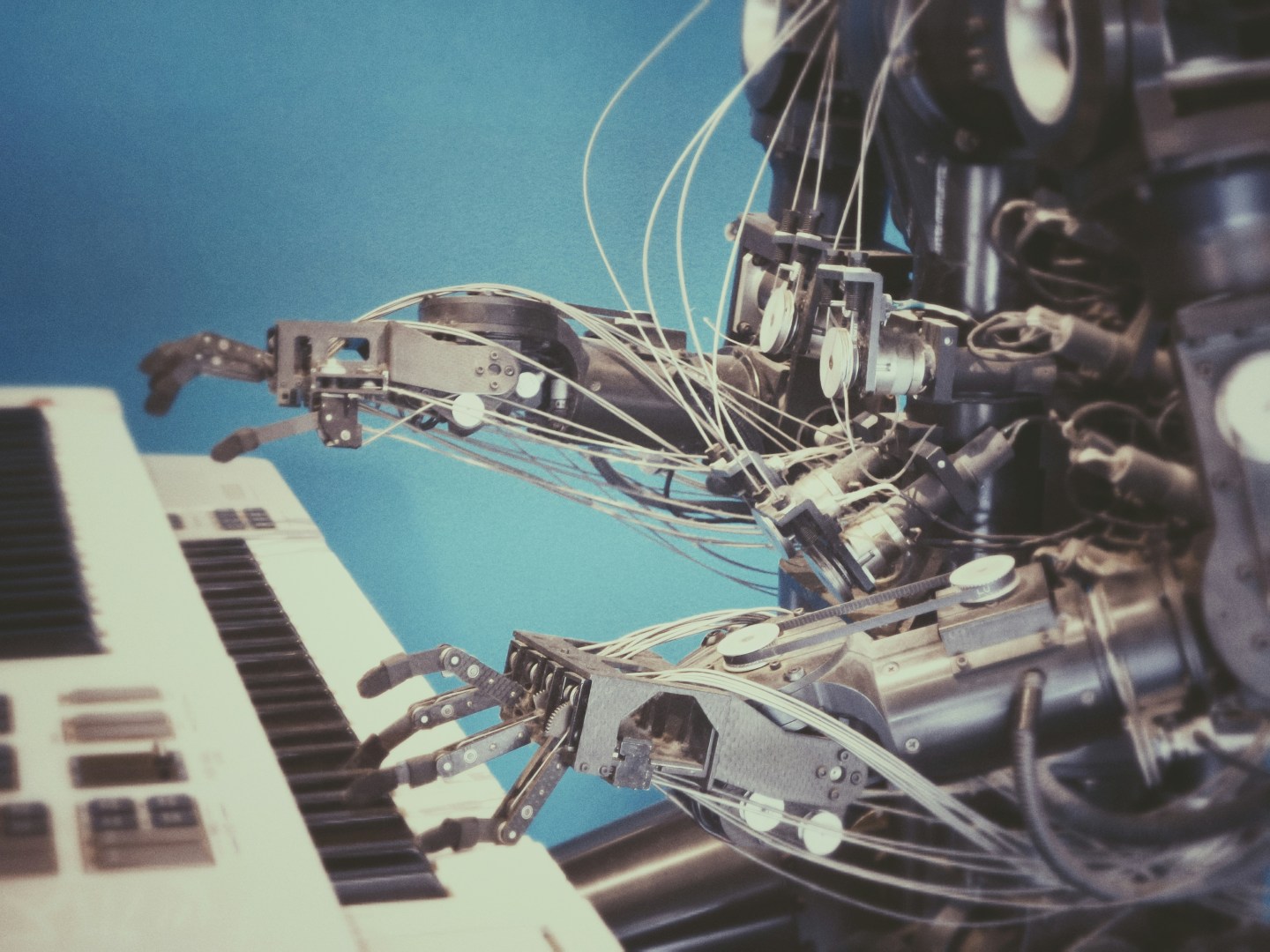
In the past two years, artificial intelligence (AI) has emerged as a game-changer, promising new frontiers of creativity and production. However, with its ascent, a slew of misconceptions have clouded the true potential and limitations of AI in the music industry. At Blue Rhymez Entertainment, we’re passionate about equipping independent musicians with accurate information. Let’s debunk the top seven misconceptions about AI in music.
7. AI Will Replace Human Musicians

One of the most prevalent fears is that AI will render human musicians obsolete. However, this is a gross overestimation of AI’s role. AI can assist in composing, generating ideas, and even mastering tracks, but it lacks the emotional depth, intuition, and lived experiences that humans bring to music creation. AI is a tool, not a replacement.
6. AI-Generated Music Lacks Soul
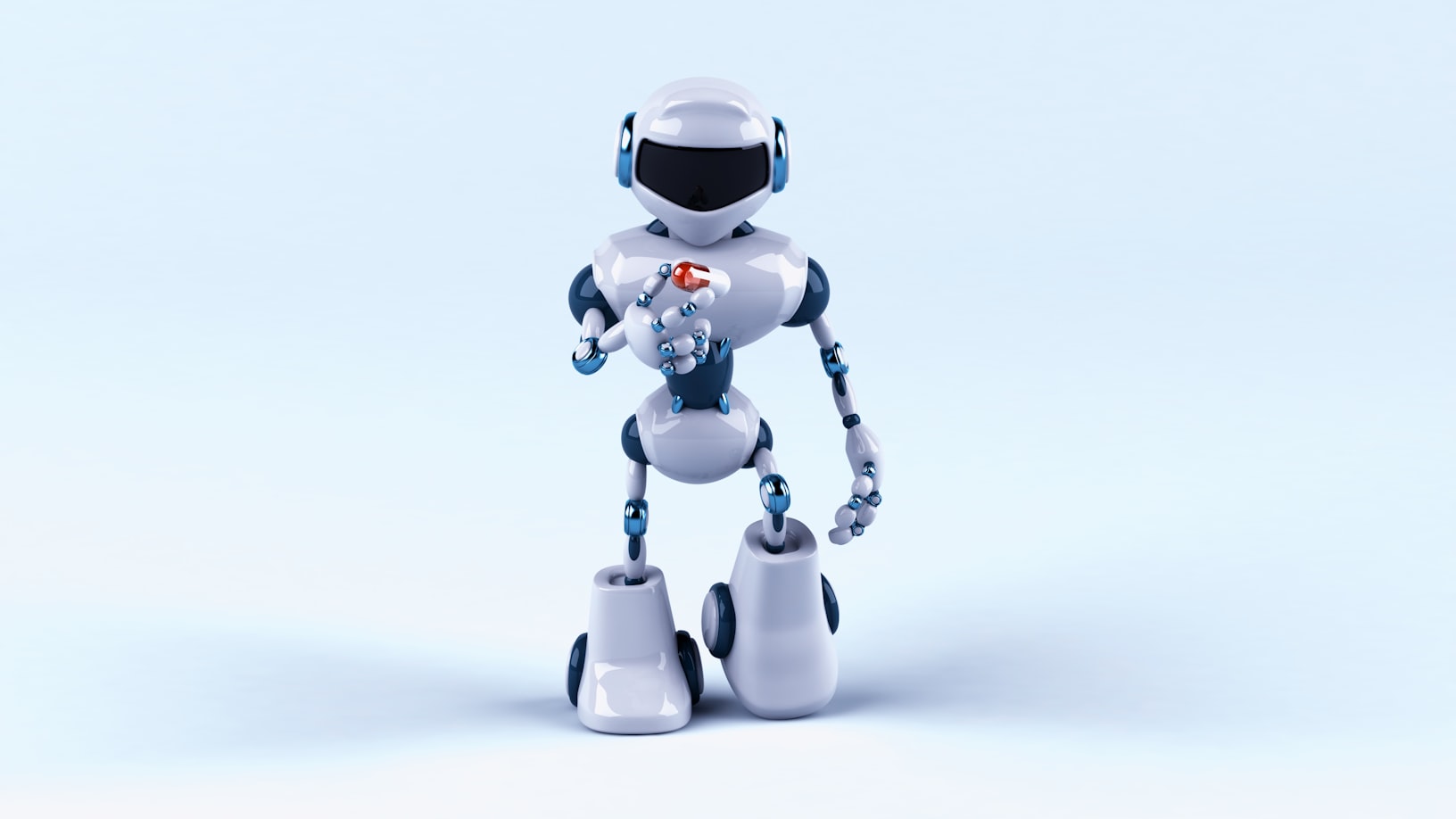
Many argue that music produced with the help of AI lacks the “soul” or emotional impact of purely human-created music. While AI might struggle to capture the full spectrum of human emotion, it can still produce compositions that evoke feelings and resonate with listeners. The “soul” of music often comes from the human touch in the creative process, regardless of whether AI is involved.
5. Using AI Is Cheating

There’s a notion that leveraging AI in music production or composition is somehow “cheating.” This misconception fails to recognize AI as just another tool in a musician’s toolkit, akin to synthesizers or digital audio workstations. Using AI doesn’t diminish the creativity or skill required to create compelling music; it merely opens new avenues for exploration.
4. AI Will Make Music Creation Too Easy

While AI can streamline certain processes, suggesting it will make music creation “too easy” undermines the complexity and artistry involved in making music. Even with AI, musicians must have a solid understanding of music theory, composition, and production to craft high-quality music. AI enhances creativity; it doesn’t replace the need for musical expertise.
3. Only Tech-Savvy Musicians Can Use AI

Though AI involves sophisticated technology, many tools designed for musicians are user-friendly and don’t require a background in computer science to use effectively. Developers aim to make AI accessible to all artists, providing intuitive interfaces and resources to guide users through the process.
2. AI Cannot Adapt to Different Genres

AI’s versatility is often underestimated. With advancements in machine learning, AI systems can analyze and generate music across a wide range of genres. These systems learn from vast datasets, enabling them to understand and mimic the nuances of different musical styles. Independent musicians can harness AI to explore new genres and fuse styles in innovative ways.
1. AI Threatens Creative Originality

Finally, there’s a fear that AI will lead to a homogenization of music, threatening creative originality. However, AI’s capacity to process and generate unique combinations of melodies, rhythms, and harmonies can actually bolster creativity. Musicians can manipulate AI outputs, infusing their personal flair and inventiveness into AI-generated materials to create something truly original.
Blue Rhymez Entertainment ©2025
If you’ve read this article for free without being bombarded by ads and pop-up screens, please consider supporting our top favorite indie artists across the world by streaming the playlist below. It’s time to push to the front the voices that most deserve it!
 Blue Rhymez Entertainment